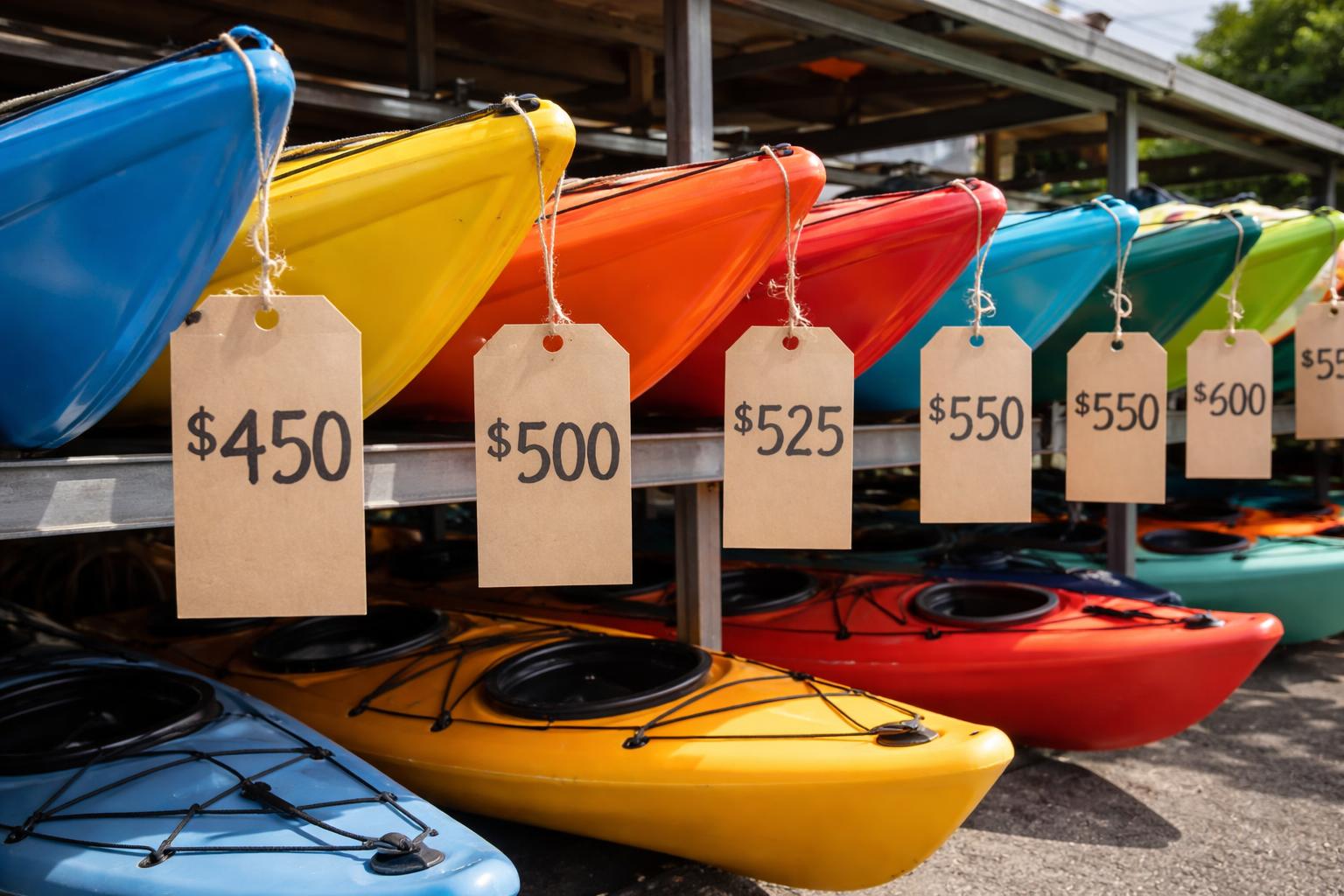
If you’re wondering how much does a kayak costs, the answer typically falls between $200 and $4,000, depending on the type, materials, and features you need. Budget sit-on-top and inflatable kayaks start around $200–$500, recreational sit-inside models run $400–$1,200, and performance touring or fishing kayaks can reach $1,500–$4,000 or more. In this guide, we break down real prices by kayak type, what actually drives those costs, and the hidden expenses most beginners don’t budget for so you know exactly what to expect before you buy.
Note: Prices are estimates based on typical retail ranges and can vary by region, season, dealer, and current supply. Always check current listings before budgeting.
At-a-Glance Price Summary
| Kayak Type | Price Range | Best For |
|---|---|---|
| Sit-on-top | $300 – $1,000 | Beginners, warm climates, casual paddling |
| Sit-inside/Recreational | $400 – $1,200 | Day trips, calm lakes and rivers |
| Touring/Sea | $1,000 – $4,000+ | Long distances, open water |
| Inflatable | $200 – $1,500 | Portability, limited storage |
| Fishing | $700 – $3,500+ | Anglers, pedal-drive options |
| Whitewater | $800 – $1,800 | Rapids, technical maneuvering |
| Tandem | $500 – $2,500 | Two paddlers, families, couples |
Price by Kayak Type
Sit-on-top Kayaks
Sit-on-top kayaks are widely popular, especially for beginners or those paddling in warmer climates, with prices typically ranging from $300 to $1,000. These vessels are known for their stability and ease of re-entry after a capsize, making them ideal for casual recreation on calm lakes or slow-moving rivers. The simpler hull design and often rotomolded polyethylene construction contribute to a more accessible price tag compared to other types.
Sit-inside/Recreational Kayaks
Recreational kayaks, or sit-inside models, generally fall within a $400 to $1,200 price range, offering a balance of stability, tracking, and comfort for day trips on placid waters. Brands like Perception and Wilderness Systems Pungo are popular choices in this segment. The enclosed cockpit provides a drier ride and often allows for more efficient paddling, making them a great step up for paddlers seeking slightly better performance than basic sit-on-tops without committing to a full touring kayak.
Touring/Sea Kayaks
Touring or sea kayaks are designed for longer distances and more challenging conditions, with prices spanning from $1,000 to $4,000, or even higher for high-end composite models. These kayaks feature longer, narrower hull designs for superior tracking and speed, often including bulkheads for gear storage and flotation. The specialized materials, such as thermoform ABS or composite constructions, and intricate outfitting like rudder systems, significantly contribute to their higher purchase price.
Inflatable Kayaks
Inflatable kayaks have carved out a significant niche due to their portability and ease of storage, with prices ranging from $200 to $1,500. While entry-level models are very affordable, higher-end inflatable kayaks from brands like Sea Eagle offer remarkable rigidity and performance, thanks to advanced drop-stitch technology and multiple air chambers, which drive up their cost. These are perfect for those with limited storage space or who plan to paddle in diverse locations without a roof rack.
Fishing Kayaks
Fishing kayaks are purpose-built vessels designed with anglers in mind, typically priced between $700 and $3,500, though specialized pedal-drive models can exceed this. These kayaks often feature wider hulls for enhanced stability, numerous rod holders, ample storage for gear, and sometimes even integrated electronics mounts. The inclusion of pedal drives, which free up a paddler’s hands for casting and reeling, significantly increases the price range compared to paddle-only fishing kayaks.
Whitewater Kayaks
Whitewater kayaks are a highly specialized category, with prices generally from $800 to $1,800. These kayaks boast unique hull designs, significant rocker, and durable rotomolded construction to navigate rapids and execute precise maneuvers. The compact size and robust build are essential for enduring the impact of whitewater, and the specific ergonomic outfitting is crucial for kayak control, reflecting the engineering required for safety and performance in demanding environments.
Tandem Kayaks
Tandem kayaks, designed for two paddlers, usually cost between $500 and $2,500, offering a shared experience on the water. The increased length and volume to accommodate a second person mean a larger material requirement and more complex manufacturing processes than single-person models. Whether a sit-on-top or sit-inside design, a tandem kayak provides a stable platform for couples or families to explore together, although the overall price will depend on its type and features.
What Affects Kayak Prices?
Several core factors explain why two kayaks that look similar can differ in price by hundreds or even thousands of dollars:
- Hull material Rotomolded polyethylene is the most affordable and durable option for everyday use. Thermoform ABS offers a lighter, more refined finish at a mid-range price. Composite materials (fiberglass, carbon fiber, Kevlar) are the lightest and fastest but come at a premium due to labor-intensive manufacturing.
- Construction complexity Kayaks with multiple hull chambers, reinforced seams, or advanced drop-stitch technology (common in premium inflatables) cost more to produce than single-piece molded designs.
- Size and hull design Longer, narrower hulls built for speed and tracking (touring kayaks) require more precise engineering than short, wide recreational hulls built purely for stability.
- Outfitting and features Adjustable seating, rudder or skeg systems, built-in rod holders, pedal-drive mechanisms, and multiple storage compartments all add to the base price.
- Brand reputation and warranty Established brands with strong warranties and proven durability (Old Town, Wilderness Systems, Hobie) typically command higher prices than lesser-known or off-brand models.
- Where you buy Big-box retailers often price lower on entry-level models, while specialty outfitters and dealers charge more but typically include better after-sale support, fitting advice, and demo access.
Popular Brand Price Comparison
| Brand | Typical Category | Approximate Price Range |
|---|---|---|
| Pelican | Entry-level recreational & sit-on-top | $250 – $600 |
| Perception | Recreational & touring | $500 – $1,400 |
| Wilderness Systems | Recreational, touring & fishing | $700 – $2,500 |
| Old Town | Recreational, fishing & tandem | $600 – $2,200 |
| Sea Eagle | Inflatable | $300 – $1,800 |
| Hobie | Pedal-drive fishing | $1,800 – $4,500 |
Prices reflect typical retail ranges for popular models within each brand’s lineup and vary by specific model, size, and included accessories.
New vs. Used Kayaks
Transitioning from a new to a used kayak can significantly alter your initial investment, often allowing you to acquire a higher-quality vessel within a more modest budget. In my experience, the used market is a fantastic resource for savvy kayakers looking to stretch their dollar, whether it’s for a recreational kayak, a touring kayak, or even a specialized fishing kayak. However, understanding the market dynamics and knowing what to look for is crucial to avoid costly mistakes.
Understanding Market Discounts
Used kayaks typically sell for 30% to 60% of their original purchase price, depending on their age, condition, and brand popularity. For example, a two-year-old Old Town recreational kayak in excellent condition might fetch 70% of its new price, while an older, more heavily used whitewater kayak could drop to 40%. High-end composite sea kayaks or advanced pedal fishing kayaks often retain their value better due to their specialized nature and higher initial cost. This discount makes getting into the sport much more accessible for beginners who might not want to commit to a full-price new kayak.
Inspection Tips for Used Kayaks
When considering a used kayak, a thorough inspection is paramount. I always recommend checking the hull for deep gouges, cracks, or warping, especially around the keel and stress points. Look for UV damage, which can make rotomolded polyethylene brittle, and examine all hardware, including deck lines, rudder systems, and seat attachments. For inflatable kayaks, a pressure test is essential to check for slow leaks, while folding kayaks require careful inspection of their frame and skin for tears or bending. Don’t forget to inspect the paddle and personal flotation device (PFD) if they are included in the sale.
Where to Buy Used Kayaks
Several avenues exist for purchasing a used kayak. Local online marketplaces like Facebook Marketplace or Craigslist are popular, as are dedicated paddling forums and club classifieds. Sporting goods retailers, outfitters, and specialty kayak shops often have trade-ins or end-of-season sales on demo models. In my experience, checking with local outfitters is particularly fruitful, as they often sell well-maintained rental fleets at competitive prices. Big box stores like Costco might not carry used kayaks, but their new, entry-level kayaks can sometimes drive down the prices of similar used models in the market.
The Hidden Costs Beyond the Kayak
While the kayak itself is the primary expense, a complete kayaking setup involves several other necessary items. In my years of experience, many beginner kayakers overlook these supplementary costs, which can significantly inflate the overall investment. Accounting for these hidden costs upfront will ensure you have a safe, comfortable, and enjoyable experience on the water without unexpected financial surprises.
Paddle and PFD Costs
A quality paddle and a personal flotation device (PFD) are non-negotiable for safety and enjoyment. Paddles can range from $50 for basic aluminum models to over $300 for lightweight carbon fiber options designed for touring. A reliable PFD, essential for every paddler, typically costs between $60 and $200, depending on its fit, features, and comfort. Investing in good quality here, especially for the PFD, is crucial, as it directly impacts your safety and endurance during longer paddling sessions.
Roof Rack and Trailer Expenses
Transporting your kayak, particularly a hardshell recreational or touring kayak, often necessitates a roof rack system for your vehicle, which can cost anywhere from $200 to $600 or more, depending on your vehicle type and chosen brand. For multiple kayaks or heavier fishing models, a dedicated kayak trailer might be a better investment, with prices starting around $800 and going up to several thousand dollars. While inflatable kayaks bypass this cost, it’s a significant consideration for most other types.
Storage and Repair Kit Considerations
Proper storage is vital for prolonging your kayak’s life, whether it’s a simple set of wall cradles for $30–$100 or a freestanding rack system for $100–$300. Additionally, a basic repair kit, especially for inflatable kayaks where minor punctures can occur, is a smart investment, usually costing between $20 and $50. For composite touring kayaks, more specialized repair materials might be needed, adding to the long-term maintenance costs.
Permits and Registration Fees
Depending on your location and the type of waterway you plan to paddle, you may encounter various permits and registration fees. Some states require registration for all vessels over a certain length, including kayaks, typically involving an annual fee of $10–$50. Accessing certain parks or launch sites might also require day-use or annual permits, adding another $5–$100 to your yearly kayaking expenses. Always check local regulations to avoid unexpected fines.
How to Budget Based on How You’ll Use It
Understanding your intended use is the most critical factor in determining how much you should budget for a kayak. In my experience, many first-time buyers overspend or underspend because they haven’t clearly defined their paddling goals. Whether you’re a casual lake paddler, a weekend camper, or a dedicated angler, tailoring your budget to your specific needs will ensure you find the perfect kayak without unnecessary expenses.
| Paddler Type | Recommended Budget | What’s Included |
|---|---|---|
| Casual lake paddler | $500 – $1,000 | Entry-level recreational or sit-on-top kayak, basic paddle, PFD |
| Weekend camper/tourer | $1,500 – $2,500 | Sit-inside or entry touring kayak, lighter paddle, quality PFD, basic roof rack |
| Dedicated angler | $1,500 – $4,000 | Fishing kayak with storage/rod holders, robust paddle, fishing PFD, possible trailer |
Casual Lake Paddler Budget
For the casual lake paddler, whose primary goal is leisurely recreation on calm lakes or slow-moving rivers, a budget of $500 to $1,000 for the complete setup is usually sufficient. This allocation allows for a solid entry-level recreational kayak or a basic sit-on-top kayak, a decent aluminum paddle, and a comfortable personal flotation device. You’re looking for stability and ease of use, not advanced performance, making this price range perfect for getting into the sport without a significant financial commitment.
Weekend Camper/Tourer Budget
If your plans involve weekend camping trips or longer day touring adventures, you’ll need to allocate a budget between $1,500 and $2,500. This range allows for a more efficient sit-inside recreational kayak or an entry-level touring kayak with better tracking and storage capacity. You’ll also be able to invest in a lighter, more efficient paddle and a high-quality PFD, along with a basic roof rack system for transport. This budget ensures comfort and performance for extended time on the water.
Angler Budget Recommendations
Dedicated anglers should anticipate a budget of $1,500 to $4,000, as fishing kayaks often incorporate specialized features. This budget covers a stable fishing kayak, which might include rod holders, ample storage, and potentially a pedal drive system for hands-free propulsion. You’ll also need to factor in a robust paddle, a fishing-specific PFD, and potentially a more substantial transport solution like a trailer. This investment ensures a fully outfitted vessel ready for serious fishing expeditions.
Kayak Buying Checklist
Before you finalize a purchase, run through this checklist to make sure you’re getting the right kayak for your needs and budget:
- [ ] Confirmed the kayak type matches your primary use (lake, touring, fishing, whitewater)
- [ ] Checked weight capacity against your body weight plus gear
- [ ] Verified hull material fits your budget and durability needs
- [ ] Test-paddled or sat in the kayak, if possible, before buying
- [ ] Budgeted for paddle, PFD, and transport separately from the kayak price
- [ ] Inspected for damage thoroughly, if buying used
- [ ] Checked local registration or permit requirements
- [ ] Confirmed return or warranty policy with the seller
- [ ] Measured your vehicle roof or storage space for fit
- [ ] Compared at least two to three models in your price range before deciding
Common Buying Mistakes
Even experienced shoppers make avoidable errors when purchasing a kayak. Watch out for these common pitfalls:
- Buying based on price alone The cheapest option often lacks stability, durability, or the right features for your intended use, leading to a costly upgrade later.
- Ignoring weight capacity Overloading a kayak beyond its rated capacity affects stability, speed, and safety. Always account for your body weight plus gear.
- Skipping the hidden costs Many buyers budget only for the kayak and are caught off guard by paddle, PFD, and transport expenses that can add $300–$800 to the total.
- Not considering storage and transport A great deal on a hardshell kayak isn’t worth it if you don’t have a way to transport or store it.
- Overbuying for your skill level A high-performance touring or whitewater kayak can be difficult to control for beginners; matching the kayak to your current skill level matters more than chasing advanced features.
- Skipping a test paddle Comfort and fit vary significantly between models; buying sight-unseen (especially used) increases the risk of dissatisfaction.
Kayak Safety Tips
Regardless of what you spend, safety should never be an afterthought. Keep these essentials in mind:
- Always wear a properly fitted PFD even strong swimmers should wear one at all times on the water.
- Check weather and water conditions before heading out, including wind, currents, and water temperature.
- File a float plan let someone know your route and expected return time.
- Carry a whistle or signaling device for emergencies.
- Know your limits avoid conditions (open water, whitewater, cold water) beyond your skill level.
- Learn basic self-rescue techniques, including how to re-enter your kayak after a capsize.
- Inspect your gear before every trip, checking the hull, hatches, and any inflatable chambers for damage.
Frequently Asked Questions
How much does a kids’ kayak cost?
Kids’ kayaks typically cost between $150 and $400, with smaller sizes and simpler features keeping prices low compared to adult models.
What’s the cheapest type of kayak to buy?
Basic inflatable and entry-level sit-on-top kayaks are the cheapest, often starting around $150–$300.
How much does a folding kayak cost?
Folding kayaks generally range from $600 to $2,500, with pricing driven by frame material and portability features.
Do I need a license to own a kayak?
No license is required to own a kayak, though some states require registration for vessels above a certain length.
How much does kayak insurance cost?
Kayak insurance typically costs $50 to $150 per year, depending on coverage level and the kayak’s value.
How long does a kayak last?
A well-maintained kayak can last 8 to 15 years, depending on material quality, storage conditions, and frequency of use.
Is it worth renting a kayak before buying?
Yes, renting first (typically $30–$75 per day) helps you test different types and confirm your preferred style before investing in a purchase.
How much does a kayak paddle alone cost?
Kayak paddles range from $50 for basic aluminum models to $300+ for lightweight carbon fiber touring paddles.
What’s the average lifespan cost of owning a kayak?
Including maintenance, storage, and occasional gear replacement, owning a kayak typically costs $100–$300 per year beyond the initial purchase.
Can I finance a kayak purchase?
Yes, many specialty retailers and outfitters offer financing plans, typically breaking higher-end kayak costs ($1,500+) into monthly payments.
Conclusion: How Much Does a Kayak Cost
Kayak prices span a wide range from $200 for a basic inflatable to $4,000+ for a fully outfitted touring or fishing model but the right choice comes down to matching the kayak to how you’ll actually use it, not chasing the lowest price or the most features. Factor in the hidden costs (paddle, PFD, transport, storage) from the start, inspect thoroughly if buying used, and prioritize safety gear regardless of budget.
Ready to find your kayak? Use the budget guide above to narrow down your price range, then test-paddle a few models in that range before you commit comfort and fit matter just as much as price.