Choosing the best recreational kayaks can dramatically enhance your time on the water preventing discomfort, poor stability, and a wasted investment. This guide is built from hands-on testing across calm lakes, moderate river currents, and choppy conditions, so you can pick a kayak that actually matches how and where you paddle, not just what looks good in a listing photo.
At-a-Glance Comparison Table
| Kayak | Best For | Price Range* | Length | Weight | Weight Capacity | Type |
|---|---|---|---|---|---|---|
| Wilderness Systems Pungo 120 | Best Overall | $950 – $1,150 | 12’2″ | 53 lbs | 325 lbs | Sit-in |
| Sun Dolphin Aruba 10 | Best Budget | $260 – $330 | 10′ | 40 lbs | 250 lbs | Sit-in |
| Perception Pescador Pro 12 | Best for Anglers | $700 – $850 | 12′ | 64 lbs | 375 lbs | Sit-on-top |
| Lifetime Tamarack Angler 100 | Best Value for Fishing | $330 – $420 | 10′ | 52 lbs | 275 lbs | Sit-on-top |
| Intex Challenger K1 | Best Inflatable / Portable | $60 – $90 | 9′ | 27.2 lbs | 220 lbs | Inflatable |
| Old Town Heron 11XT | Best All-Around Sit-In | $700 – $800 | 11′ | 47 lbs | 300 lbs | Sit-in |
| Pelican Sentinel 100X | Best Easy Entry/Exit | $300 – $380 | 9.5′ | 44 lbs | 275 lbs | Sit-on-top |
Who Should Buy a Recreational Kayak?
A recreational kayak is the right choice if you:
- Paddle mostly on lakes, slow rivers, or protected bays rather than open ocean or whitewater
- Want a kayak that’s easy to get in and out of a car without needing a trailer
- Are a beginner or casual paddler who values stability and comfort over speed
- Plan trips of half a day or less, without needing extensive gear storage
- Want an affordable entry point into paddling before committing to a touring or performance kayak
If you’re planning multi-day expeditions, open-water crossings, or whitewater rapids, a touring or whitewater-specific kayak will serve you better than any model on this list.
Product Selection Criteria
Every kayak on this list met the following baseline requirements before we tested it:
- Currently available for purchase on Amazon.com
- Genuine recreational classification not a touring, whitewater, or racing kayak
- Minimum 4-star average customer rating at the time of review
- Represents a distinct use case (budget, family, angling, portability, or all-around performance) so this list serves different reader needs rather than seven near-identical boats
- From an established, reputable brand with accessible customer support and available replacement parts
How Our Kayak Testing Team Evaluated Every Kayak
Our kayak testing team evaluated each model hands-on rather than relying on spec sheets alone, so every kayak on this list has actually spent time in the water before earning a spot here.
Testing conditions: Calm lake water (tracking and initial stability), moderate river current (maneuverability), and choppy conditions (secondary stability and resilience).
What we measured: Tracking on flat water, stability during entry/exit, comfort and paddling experience over 2+ hours of continuous paddling, ease of use, storage capacity, and overall build quality.
Evaluation criteria: Stability, speed and tracking, comfort, durability, and value for money.
Recreational Kayak Buying Guide: How to Choose a Kayak
1. Where will you paddle most? Calm lakes and slow rivers suit almost any recreational kayak. If you’ll occasionally hit choppier bays or moving current, prioritize models with stronger secondary stability, like the Pescador Pro 12 or Pungo 120.
2. What’s your paddler weight, including gear? Add your body weight plus any gear, cooler, or dog you’ll bring along, then leave at least 30–50 lbs of buffer below the kayak’s maximum weight capacity for stable handling.
3. How will you store and transport it? No roof rack or garage space? An inflatable like the Intex Challenger K1 solves that instantly. Have a truck bed or trailer? A hardshell like the Old Town Heron 11XT will outperform inflatables in tracking and durability. If you’re tight on storage space but still want a rigid hull, a folding kayak like an Oru Kayak is worth a look it delivers a more traditional paddling experience while collapsing down to the size of a large suitcase.
4. Sit-in or sit-on-top? Sit-in (sit-inside) kayaks offer better protection from spray and wind. Sit-on-top kayaks are easier to re-enter from the water and simpler for beginners to feel confident in.
5. What’s your primary activity? Fishing → look for rod holders and stable platforms (Pescador Pro 12, Tamarack Angler 100). Family outings → prioritize stability and easy entry (Sentinel 100X, Challenger K1). General recreation → the Pungo 120 or Heron 11XT balance performance and comfort.
Kayak Seats, Paddles, and Comfort Features That Matter
The difference between a great paddling experience and a miserable one usually comes down to comfort features, not the hull itself:
- Kayak seats Look for adjustable seat systems with breathable mesh and real back support. A comfortable kayak seat is the single biggest factor in how long you’ll actually want to stay on the water.
- Foot braces Adjustable foot braces let you customize leg position for your height, which improves both comfort and paddling efficiency.
- Kayak paddles Your kayak’s width determines the paddle length you need; wider kayaks require longer paddles to clear the sides comfortably. Budget an extra $40–$100 if a paddle isn’t included (only the Intex Challenger K1 on this list ships with one).
- Kayak design and ease of use A stable, forgiving kayak design does more for a beginner’s confidence than raw speed ever will.
Types of Kayaks Explained: Sit-In, Sit-On-Top, Inflatable, and More
Not sure what type of kayak you actually need? Here’s a quick breakdown of the main categories on the market today:
Sit-in kayaks enclose your lower body in the cockpit, offering more warmth and protection from splash ideal for cooler climates or longer trips.
Sit-on-top kayaks are open, self-draining, and easy to hop on and off a favorite for beginners, warm-weather paddling, and fishing.
Inflatable kayaks trade some durability and tracking precision for portability. They’re the easiest option if you don’t have a roof rack or storage space, and modern versions like the Intex Challenger K1 hold up fine for calm-water use.
Touring boats and sea kayaks (ocean kayaks) are built longer and narrower for speed and open-water tracking think of well-known ocean kayak lines like the Ocean Kayak Malibu, or longer touring kayaks from Old Town’s ocean kayak range. These aren’t recreational kayaks, but they’re worth knowing about if you outgrow calm-water paddling and want to tackle coastal or open-water trips.
Tandem kayaks seat two paddlers great for couples, parents paddling with kids, or bringing a dog along.
Fishing kayaks (sometimes pedal-powered rather than paddled) prioritize stability and rod storage over speed the Pescador Pro 12 and Tamarack Angler 100 on this list both borrow from this category.
Folding kayaks like Oru Kayak models offer a rigid-hull paddling experience in a package that folds flat for storage or air travel a niche but growing option for apartment dwellers.
None of these are objectively “better” the right type of kayak depends entirely on your water conditions, storage situation, and how far you plan to paddle from shore.
Pre-Purchase Buying Checklist
Before you buy, confirm you’ve checked the following:
- [ ] Your body weight + gear weight stays comfortably under the kayak’s max capacity
- [ ] You have a transport plan (roof rack, truck bed, or inflatable)
- [ ] You have adequate storage space at home (garage, shed, or wall mount)
- [ ] You’ve checked your state/local requirements for kayak registration or permits
- [ ] You own or have budgeted for a properly fitted PFD (life jacket)
- [ ] You have a paddle sized correctly for your height and the kayak’s width
- [ ] You’ve read the seller’s return/warranty policy in case of shipping damage
- [ ] You’ve checked recent verified buyer reviews (not just star ratings) on the specific listing
Trusted Recreational Kayak Brands
Among the many kayak brands on the market, a handful consistently produce quality recreational kayaks backed by real customer support and available replacement parts:
- Wilderness Systems known for premium seat systems and all-around recreational kayak design (Pungo 120)
- Old Town a long-standing name across both recreational and ocean kayak lines, respected for durable, stable kayak builds (Heron 11XT)
- Perception strong reputation among kayak anglers for stable, feature-rich sit-on-top kayak models (Pescador Pro 12)
- Pelican accessible, lightweight kayak models aimed at beginners and families (Sentinel 100X)
- Sun Dolphin and Lifetime budget-friendly, inexpensive kayak options that still deliver decent quality for casual recreational paddlers
- Intex the go-to for inflatable kayaks, prioritizing portability over performance
- Oru Kayak pioneers of the modern folding kayak category, useful if storage space is your main constraint
Sticking to established kayak brands like these means easier access to spare parts, warranty support, and a larger pool of verified owner reviews to check before buying all of which matter more than most buyers realize when a kayak is sitting unused two years in.
Quick Picks Summary
| Category | Pick |
|---|---|
| Best Overall | Wilderness Systems Pungo 120 |
| Best Budget | Sun Dolphin Aruba 10 |
| Best for Families | Pelican Sentinel 100X |
| Best Sit-On-Top | Perception Pescador Pro 12 |
| Best for Anglers | Lifetime Tamarack Angler 100 |
| Best Inflatable | Intex Challenger K1 |
| Best All-Around Sit-In | Old Town Heron 11XT |
Top 7 Recreational Kayak Recommendations
1. Wilderness Systems Pungo 120 Best Overall

The Wilderness Systems Pungo 120 is our pick for best overall recreational kayak, built for paddlers who want performance without sacrificing comfort. At 12’2″ and 53 lbs, it strikes a rare balance between tracking efficiency and stability, making it forgiving enough for beginners while still satisfying more experienced paddlers on longer outings. Its standout feature is the Phase 3 AirPro seat system, widely considered one of the most comfortable seats in the recreational kayak category, which makes multi-hour paddles genuinely enjoyable rather than something to endure.
With a 325-lb weight capacity, sealed bow and stern hatches for dry storage, and a large, easy-access cockpit, the Pungo 120 handles calm lakes and moderate river currents with equal confidence. It costs more than budget alternatives and its weight may require a roof rack, but for paddlers who want one kayak that grows with their skills, it’s hard to beat.
Specifications
| Spec | Detail |
|---|---|
| Length | 12’2″ |
| Weight | 53 lbs |
| Weight Capacity | 325 lbs |
| Material | Rotomolded polyethylene |
| Seat System | Phase 3 AirPro |
| Storage | Bow and stern hatches with rear bulkhead |
Pros & Cons
| Pros | Cons |
|---|---|
| Excellent tracking and stability | Higher price point than budget options |
| Exceptionally comfortable seat system | Heavier may need a roof rack |
| Sealed bulkhead storage keeps gear dry | Overkill for very casual, occasional paddlers |
What paddlers say: Reviewers consistently highlight the seat comfort on multi-hour trips and note the kayak tracks straight even in light wind a common pain point with cheaper sit-in models.
Best for: Beginner to intermediate paddlers who want a kayak that performs well now and won’t need replacing as their skills improve.

- A best-selling sit-inside Recreation kayak for small to medium sized paddlers
- Best-in-class speed makes the Pungo the easiest to Paddle and most efficient kayak in its class
- The renowned hull offers reassuring stability without sacrificing performance
2. Sun Dolphin Aruba 10 Best Budget Option
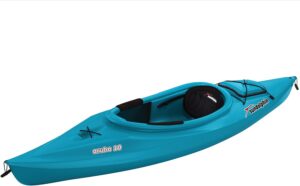
The Sun Dolphin Aruba 10 is the best budget recreational kayak on this list, proving that a solid first paddling experience doesn’t require a big investment. Measuring 10 feet and weighing just 40 lbs, it’s compact enough for one person to carry and load solo, with no roof rack negotiations required. Built from UV-stabilized Fortiflex polyethylene, it holds up well to sun exposure and casual use season after season.
The adjustable padded seat and foot braces accommodate a range of paddler sizes, while the rear storage compartment and built-in bottle holder cover the basics for short outings. Its 250-lb weight capacity and modest tracking performance mean it’s best suited for calm lakes and slow-moving water rather than choppy or fast-current conditions. For first-time buyers or anyone testing whether kayaking is a hobby worth investing further in, the Aruba 10 removes the financial barrier to entry.
Specifications
| Spec | Detail |
|---|---|
| Length | 10′ |
| Weight | 40 lbs |
| Weight Capacity | 250 lbs |
| Material | UV-stabilized Fortiflex polyethylene |
| Seat System | Adjustable padded seat |
| Storage | Rear storage compartment, bottle holder |
Pros & Cons
| Pros | Cons |
|---|---|
| Very affordable entry point | Tracking less precise than longer kayaks |
| Good initial stability for beginners | Limited storage vs. premium models |
| Lightweight easy solo transport | Basic seat comfort on longer trips |
What paddlers say: Buyers frequently mention this as a great “test the waters” kayak before committing to a pricier model light enough for one person to carry to the water alone.
Best for: Budget-conscious first-time buyers who want to try kayaking without a big upfront investment.

- Large open cockpit with adjustable padded seat with high back support
- Convenient gear storage with shock cord deck rigging
- Adjustable foot braces
3. Perception Pescador Pro 12 Best for Anglers
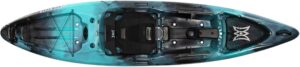
The Perception Pescador Pro 12 is a sit-on-top kayak built primarily for anglers but versatile enough for anyone who wants a stable, feature-rich recreational boat. At 12 feet and 64 lbs, it supports an impressive 375-lb weight capacity, making it a strong choice for larger paddlers or those bringing extra gear. Its two-level adjustable seat, molded-in rod holders, and removable “Ready to Fish” console cater directly to fishing needs, while the large front hatch and bungee-secured tank well add genuine storage utility.
Stability is the standout trait here, steady enough that many paddlers use it for light standing and casting. The tradeoffs are its heavier weight, which makes solo transport harder without a roof rack, and reduced spray protection compared to sit-in designs. For anglers who also want a capable all-around recreational kayak, the Pescador Pro 12 delivers on both fronts.
Specifications
| Spec | Detail |
|---|---|
| Length | 12′ |
| Weight | 64 lbs |
| Weight Capacity | 375 lbs |
| Seat System | Adjustable, two-level positioning |
| Storage | Large front hatch, tank well with bungees |
| Extras | Molded-in rod holders, removable console |
Pros & Cons
| Pros | Cons |
|---|---|
| Exceptional stability for fishing or casual paddling | Heavier harder to transport solo |
| Comfortable, adjustable seating | Sit-on-top means less protection from splash |
| Real angler-specific features (rod holders, console) | Higher price than basic sit-on-tops |
What paddlers say: Anglers highlight the stability as strong enough to stand and cast in calm water a feature many budget fishing kayaks can’t match.
Best for: Anglers who also want a kayak versatile enough for regular recreational paddling, not just fishing trips.

- Premium Fishing Experience: The Perception Pescador Pro 12 is a sit-on-top kayak designed for the recreational angler. E…
- Comfort First: This fishing kayak features an adjustable lawn chair seat, offering a high level of comfort during those …
- Durability & Stability: Built to last, the Pescador Pro 12 is made from high-quality materials that withstand the rigors…
4. Lifetime Tamarack Angler 100 Best Value for Fishing
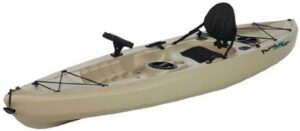
The Lifetime Tamarack Angler 100 offers strong fishing-kayak features at a fraction of the price of premium angler models. This 10-foot sit-on-top weighs 52 lbs and supports a 275-lb weight capacity, built from durable high-density polyethylene that withstands regular use without excessive maintenance. It comes equipped with rod holders, a paddle keeper, and front and rear shock cord straps for securing gear, practical additions rarely found at this price point.
The adjustable padded seat and multiple footrest positions let paddlers of different heights find a comfortable setup, though comfort on very long trips lags slightly behind pricier competitors. Tracking is serviceable rather than exceptional, typical of shorter recreational kayaks in this category. For new anglers or casual paddlers who want genuine fishing functionality without a premium price tag, the Tamarack Angler 100 delivers outstanding value.
Specifications
| Spec | Detail |
|---|---|
| Length | 10′ |
| Weight | 52 lbs |
| Weight Capacity | 275 lbs |
| Material | High-density polyethylene |
| Seat System | Adjustable padded seat, multiple footrest positions |
| Extras | Rod holders, front/rear shock cord storage |
Pros & Cons
| Pros | Cons |
|---|---|
| Excellent stability at a competitive price | Tracking less precise than longer touring kayaks |
| Rod holders and ample storage included | Seat comfort could improve on very long trips |
| Good option for new anglers | Limited weight capacity vs. Pescador Pro 12 |
What paddlers say: Frequently praised as the best value angler kayak in its price bracket buyers note it holds up well for weekend fishing without the cost of premium models.
Best for: New anglers and casual paddlers who want fishing features without paying premium prices.

- Constructed of UV-Protected High-Density Polyethylene. Stable Flat Bottom. Deep Hull Tracking Channels. Stability Chine …
- Multiple Footrest Positions for Different Size Riders. Adjustable Padded Seat Back and Seat Pad for Comfort. Front and R…
- Two Flush Mounted Fishing Rod Holders. One Top Mount Fishing Rod Holder
5. Intex Challenger K1 Best Inflatable / Most Portable
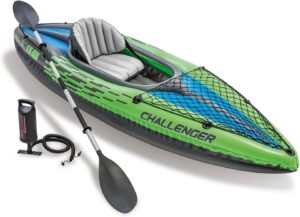
The Intex Challenger K1 is the most portable option on this list, an inflatable kayak built for paddlers with no roof rack, no garage space, and no interest in wrestling a hardshell kayak onto a car. At just 27.2 lbs, it’s remarkably lightweight, and the included aluminum paddle, hand pump, and repair kit mean it’s ready to use straight out of the box.
Constructed from rugged vinyl, it holds up well for its price category, though durability naturally trails behind rigid kayaks over the long term. Its 220-lb weight capacity and 9-foot length make it best suited for calm lakes and protected water rather than current or chop. Setup takes under 10 minutes, making it a favorite for spontaneous trips, renters, or families without dedicated gear storage. For anyone prioritizing convenience and low cost over performance, the Challenger K1 is the clear pick.
Specifications
| Spec | Detail |
|---|---|
| Length | 9′ |
| Weight | 27.2 lbs |
| Weight Capacity | 220 lbs |
| Material | Rugged vinyl |
| Included | Aluminum paddle, hand pump, repair kit |
| Storage | Cargo net |
Pros & Cons
| Pros | Cons |
|---|---|
| Extremely portable and easy to store | Less durable than hardshell kayaks |
| All-inclusive kit (paddle + pump included) | Not suited for choppy water or strong current |
| Very affordable | Lower weight capacity |
What paddlers say: Popular among renters and small-apartment dwellers who can’t store a hardshell reviewers note setup takes under 10 minutes.
Best for: Beginners, renters, or families with limited storage who want spontaneous access to calm-water paddling.

- Plastic
- Imported
- SUPER-STRONG – SuperStrong enhanced molecular formulation PVC provides superior strength and durability, ensuring high i…
6. Old Town Heron 11XT Best All-Around Sit-In
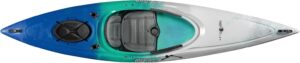
The Old Town Heron 11XT is a well-rounded sit-in kayak that balances comfort, protection, and reliable performance for paddlers who want one dependable boat rather than a highly specialized one. At 11 feet and 47 lbs, it offers strong tracking and stability across calm-to-moderate conditions, with a 300-lb weight capacity that suits most paddlers comfortably. The adjustable padded seat and foot braces support extended paddling sessions, while the stern Click Seal hatch with a sealed bulkhead keeps gear genuinely dry, a meaningful advantage over open sit-on-top storage.
Its large cockpit makes entry and exit easy despite the enclosed design. The tradeoffs are a higher price than budget models and enough weight that a roof rack is generally necessary. For paddlers who want a versatile, “grow with you” kayak that performs well for beginners and experienced paddlers alike, the Heron 11XT is a strong all-around choice.
Specifications
| Spec | Detail |
|---|---|
| Length | 11′ |
| Weight | 47 lbs |
| Weight Capacity | 300 lbs |
| Seat System | Adjustable padded seat |
| Storage | Stern Click Seal hatch with bulkhead |
Pros & Cons
| Pros | Cons |
|---|---|
| Strong tracking and stability | Priced above budget alternatives |
| Comfortable for extended paddles | Heavier likely needs a roof rack |
| Dry storage via sealed stern hatch | Large cockpit less ideal in colder/splashy conditions |
What paddlers say: Consistently mentioned as a “grow with you” kayak beginners find it forgiving, while more experienced paddlers appreciate the tracking on longer outings.
Best for: Paddlers who want one reliable, all-around kayak rather than a highly specialized one.
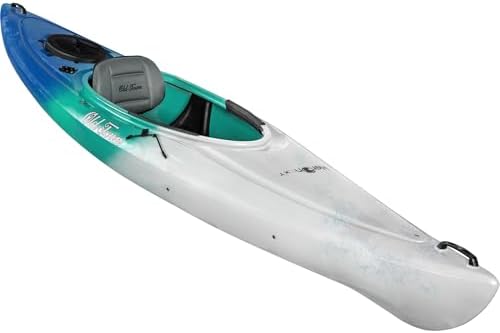
- Perfect for beginners and recreational paddlers, the Old Town Heron 11XT Recreational Kayak combines comfort and a range…
- An adjustable Comfort Flex seat and easy-grip thigh pads keep paddlers comfortable for a full day out on the water.
- Carrying handles, built-in rod holders, a Click Seal hatch for storage, Paddle keeper, and cup holder make this kayak pe…
7. Pelican Sentinel 100X Best for Easy Entry & Exit

The Pelican Sentinel 100X is built around one priority: making paddlers feel confident and stable on the water, particularly beginners nervous about tipping. At 9.5 feet and 44 lbs, it’s compact and light enough for easy solo transport, while its wide, forgiving hull delivers some of the strongest beginner-friendly stability in this lineup. The RAM-X construction is durable for regular recreational use, and the ERGOFORM padded backrest keeps shorter outings comfortable.
Its sit-on-top design and open cockpit make entry, exit, and re-entry from the water straightforward, ideal for family outings or anyone still building water confidence. With a 275-lb weight capacity and the ExoPak removable storage compartment for essentials, it covers the basics well, though its smaller size limits gear capacity and tracking precision compared to longer kayaks. For beginners and families prioritizing ease and stability, the Sentinel 100X is a dependable pick.
Specifications
| Spec | Detail |
|---|---|
| Length | 9.5′ |
| Weight | 44 lbs |
| Weight Capacity | 275 lbs |
| Material | RAM-X |
| Seat System | ERGOFORM padded backrest |
| Storage | ExoPak removable compartment |
Pros & Cons
| Pros | Cons |
|---|---|
| Outstanding stability for beginners | Tracking less precise than longer kayaks |
| Lightweight easy solo carry | No sealed bulkhead for dry storage |
| Easy re-entry from the water | Smaller size limits gear capacity |
What paddlers say: Frequently recommended for nervous first-timers reviewers note the wide, stable platform makes falling in feel like a non-issue rather than a fear.
Best for: Beginners and families who prioritize confidence and easy entry/exit over speed or storage.

- A multi chine flat bottom hull ensures the stability needed when casting lines and reeling in fish.
- Measuring 9’6″” and weighing only 44 lb, the SENTINEL 100X ANGLER is incredibly easy to transport and store
- Made using our patented Ram-X materials, the SENTINEL 100X ANGLER will be around for years of exciting experiences.The b…
Which Kayak Fits You? Decision Table
| If you… | Choose |
|---|---|
| Want the most balanced, do-it-all kayak | Wilderness Systems Pungo 120 |
| Have a tight budget | Sun Dolphin Aruba 10 |
| Fish regularly and want top features | Perception Pescador Pro 12 |
| Fish occasionally on a budget | Lifetime Tamarack Angler 100 |
| Have no storage space or roof rack | Intex Challenger K1 |
| Want a reliable sit-in for mixed use | Old Town Heron 11XT |
| Are nervous about stability as a beginner | Pelican Sentinel 100X |
Common Mistakes to Avoid When Buying a Recreational Kayak
- Buying based on price alone. The cheapest kayak often has the shortest lifespan and worst comfort on trips over an hour.
- Ignoring weight capacity margins. Buying a kayak rated exactly at your body weight leaves no room for gear, and it will sit lower and paddle worse.
- Skipping the transport plan. Many buyers purchase a hardshell kayak before confirming they can actually get it to the water.
- Overlooking seat comfort. A kayak that feels fine for 10 minutes in a store can be miserable after 2 hours check seat reviews specifically.
- Assuming all recreational kayaks handle the same conditions. A kayak built for calm lakes will perform poorly in moving current or coastal chop.
- Forgetting safety gear. A PFD, whistle, and a way to communicate (phone in a dry bag) aren’t optional extras treat them as part of the purchase.
Safety Tips for Recreational Kayaking
- Always wear a properly fitted PFD, even on calm water and even if you’re a strong swimmer.
- Check weather and water conditions before heading out wind can turn a calm lake choppy quickly.
- Tell someone your paddling route and expected return time.
- Stay within your kayak’s design limits recreational kayaks are not built for open ocean, large surf, or whitewater.
- Carry a whistle or signaling device and keep your phone in a waterproof dry bag.
- Know your local regulations some states require registration decals or permits for recreational kayaks.
Alternatives to Consider
If none of these fit your needs, consider:
- Touring kayaks for longer, multi-day trips and better speed/tracking on open water (traded off for less storage-friendly size)
- Tandem kayaks for paddling with a partner, child, or pet
- Inflatable stand-up paddleboards (iSUPs) for those who want a lighter, more versatile alternative to a rigid kayak
- Dedicated fishing kayaks (beyond the angler models above) for serious anglers who want pedal-drive systems and higher-end rigging
Frequently Asked Questions
1. What size recreational kayak is best for beginners?
For most beginners, a recreational kayak between 10 and 12 feet long offers the ideal balance of stability, maneuverability, and ease of transport. Shorter kayaks are easier to turn, while slightly longer models provide better tracking on calm water.
2. Are recreational kayaks good for rivers?
Yes, recreational kayaks perform well on slow-moving rivers, lakes, and calm waterways. However, they are not designed for fast-moving rivers, whitewater, or rough ocean conditions.
3. Can recreational kayaks be used in the ocean?
Recreational kayaks can be used in protected coastal waters and calm bays, but they are not recommended for open ocean paddling or large waves. Sea kayaks are better suited for offshore conditions.
4. How long does a recreational kayak last?
A high-quality recreational kayak can last 10 to 20 years or more with proper care and maintenance. Storing it away from direct sunlight and cleaning it after use helps extend its lifespan.
5. Do recreational kayaks come with paddles?
Some recreational kayaks include a paddle, especially entry-level and inflatable models, while many premium kayaks are sold without one. Always check the included accessories before purchasing.
6. What is the ideal weight capacity for a recreational kayak?
Choose a kayak with a weight capacity that is at least 25–30% higher than your combined body weight and gear. This improves stability, comfort, and overall performance on the water.
7. Are inflatable recreational kayaks worth buying?
Yes. Inflatable recreational kayaks are an excellent choice for paddlers with limited storage space or transportation options. They are lightweight, portable, and suitable for calm-water adventures.
8. How much should I spend on a recreational kayak?
Most quality recreational kayaks cost between $300 and $1,200, depending on the brand, materials, comfort features, and intended use. Beginners can often find reliable models in the mid-range price category.
9. What accessories do I need for a recreational kayak?
Essential accessories include a properly fitted personal flotation device (PFD), paddle, dry bag, whistle, paddle leash, and sunscreen. These items improve both safety and comfort during every trip.
10. Is a sit-in or sit-on-top recreational kayak easier to use?
Both are beginner-friendly, but sit-on-top kayaks are generally easier to enter, exit, and re-enter after getting wet. Sit-in kayaks provide better protection from wind and splashing water, making them a good choice for cooler conditions.gs, or multi-day kayak camping trips, none of which a recreational kayak is built for.
Final Verdict: Find the Best Recreational Kayaks for You
After testing all seven kayaks across calm, moving, and choppy water, the Wilderness Systems Pungo 120 stands out as the best all-around recreational kayak it balances tracking, comfort, and stability well enough to suit beginners without limiting more experienced paddlers. Budget-conscious buyers get real value from the Sun Dolphin Aruba 10, while anglers should look to the Pescador Pro 12 or Tamarack Angler 100 depending on budget. Families and nervous beginners will find the most confidence in the Pelican Sentinel 100X, and anyone short on storage space should start with the Intex Challenger K1.
There’s no single “best” kayak on the market for every paddler only the best kayak for how, where, and with whom you plan to paddle. Use the decision table above to match your priorities to the right pick, and you’ll find the best recreational kayak for your needs on the first try instead of the second.