
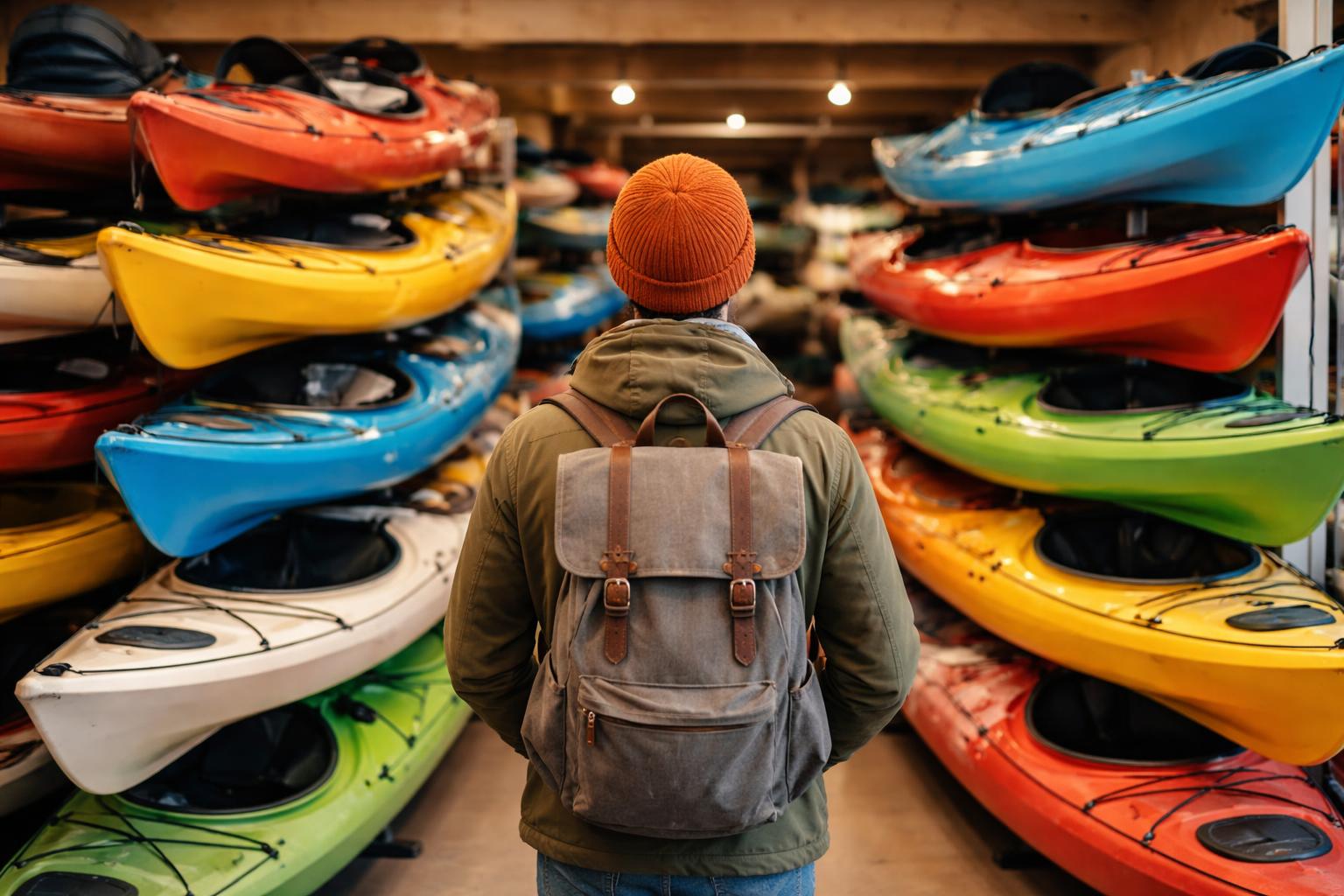
Choosing your first kayak doesn’t have to be complicated. The key to how to choose your first kayak the right way is selecting a model that matches your intended use, body size, skill level, and storage or transportation needs not simply the cheapest or most popular option. Making the wrong choice can lead to poor performance on the water, discomfort, safety issues, and the costly expense of replacing your kayak sooner than expected.
Whether you plan to paddle on calm lakes, explore rivers, fish, or take longer touring trips, understanding a few essential factors before you buy can save you time and money. In this guide, you’ll discover the 7 most common mistakes first-time buyers make and learn practical tips to help you choose a kayak that offers the right balance of stability, comfort, durability, and long-term value.
By the end, you’ll know exactly what to look for and what to avoid so you can make a confident purchase and enjoy your time on the water from your very first paddle.
Why You Can Trust This Guide
This guide is based on practical kayaking knowledge and the real-world challenges many first-time buyers face when choosing their first kayak. It combines hands-on paddling insights with widely accepted best practices to help beginners make informed decisions, avoid common mistakes, and select a kayak that matches their needs and budget.
Expert Tip
Don’t rush your purchase. Many first-time buyers focus on price or appearance, but factors like stability, weight capacity, comfort, and intended use have a much greater impact on your experience. If possible, test paddle several models before making your final decision.
Real-World Experience
One of the most common mistakes beginners make is buying a kayak that’s too large to transport or too specialized for their actual needs. For example, a long touring kayak may perform exceptionally well on open water but can be difficult to store, transport, and maneuver for casual weekend paddling. Taking the time to evaluate where and how you’ll paddle often leads to a more satisfying purchase.
Transparency Statement
Every paddler has different goals, body types, and skill levels, so there is no single “best” kayak for everyone. The recommendations in this guide are intended to help you compare options and choose a kayak based on your personal requirements rather than marketing claims or price alone.
Before You Buy: A Quick Reality Check
Ask yourself these five questions before purchasing:
- Where will I paddle most often?
- How much storage space do I have at home?
- Can my vehicle safely transport this kayak?
- Will I paddle alone or with gear, pets, or passengers?
- Am I likely to upgrade as my skills improve?
Answering these questions honestly can help you avoid costly mistakes and choose a kayak you’ll enjoy using for years.
Why Choosing the Right Kayak Matters
The Importance of Choosing the Right Kayak
As a seasoned paddler, I’ve witnessed countless beginners make the costly mistake of impulsively buying a kayak that simply doesn’t match their needs or intended use. Your first kayak isn’t just a purchase; it’s an investment in your outdoor adventures. Opting for the right kayak from the outset ensures safety, comfort, and, most importantly, an enjoyable paddling experience, preventing it from gathering dust in your garage after a single, frustrating outing, especially if you choose the best kayak for your needs.
Understanding the Common Mistakes
Many new kayakers, eager to get on the water, overlook critical factors like the type of kayak best suited for their environment, the importance of a test paddle, or even basic safety gear. These oversights can turn a potentially fulfilling hobby into a regrettable expenditure. By understanding these common mistakes, you can make an informed decision and choose a kayak that truly serves your aspirations on the water.
1. Buying Based on Price Alone
Evaluating Quality vs. Cost
While an attractive price tag on a beginner kayak can be tempting, basing your decision solely on cost often leads to disappointment. A cheap kayak might seem like a good deal initially, but it often compromises on hull integrity, comfort, and durability. I’ve seen paddlers quickly outgrow or become frustrated with these models, leading to a second, more informed purchase that could have been their first. Investing in a quality kayak for beginners ensures a more stable and enjoyable experience.
Long-term Value of Your First Kayak
Consider the long-term value when you buy your first kayak. A well-constructed touring kayak or a durable recreational kayak, even if it costs a bit more upfront, will provide years of reliable service and a better return on investment. These kayaks often feature better seating, more ample storage space, and superior tracking, enhancing your time on the water and making it a more pleasant experience for any kayaker, whether on calm waters or exploring larger lakes.
Practical Examples of Costly Decisions
I once knew a beginner who bought the cheapest sit-on-top kayak they could find, only to discover its extreme instability made it nearly impossible to paddle in anything but perfectly calm waters; a light kayak would have been a better choice. Another friend opted for a bulky, heavy plastic kayak without considering its transport or storage space. These decisions, driven by price, resulted in frustration and ultimately, the need to sell their first boat at a significant loss to find a kayak that truly fit their needs.
2. Ignoring Weight Capacity
Understanding Kayak Weight Limits
Understanding the weight capacity of your first kayak is paramount for both safety and performance. Each kayak, regardless of its type be it a recreational kayak, a touring kayak, or even an inflatable kayak has a specified maximum weight limit that accounts for the paddler, gear, and any additional passengers. Exceeding this limit significantly compromises the hull’s displacement, making the kayak sluggish, unstable, and prone to taking on water, which can lead to a capsize, especially if you’re a beginner.
Practical Scenarios: Overloading a Kayak
I’ve personally witnessed the consequences of an overloaded kayak on a lake; a friend’s sit-on-top, packed with fishing gear and a cooler, sat so low in the water that even small wakes caused water to slosh over the scupper holes, making it nearly impossible to paddle efficiently. This not only made for a slow, tiring trip but also posed a significant safety risk. For a recreational kayak, particularly, ignoring these limits can quickly turn a fun outing into a strenuous struggle against the water.
How to Determine Your Needs
To determine your needs, calculate your total projected weight, including yourself, your essential gear (PFD, paddle, dry bag), and any typical items you’d carry on the water, such as snacks or fishing equipment if considering fishing kayaks. When you buy your first kayak, always add a buffer to this total; aim for a kayak whose weight capacity is at least 25-30% higher than your calculated load. This ensures the kayak performs optimally and remains stable, allowing you to enjoy paddling without constant worry, whether on rivers and lakes or in whitewater.
3. Choosing the Wrong Kayak Length for Storage and Transport
Understanding Kayak Sizes
The length of a kayak affects its speed, maneuverability, storage requirements, and transportation. Shorter kayaks are easier to handle and ideal for beginners, while longer kayaks perform better over greater distances.
| Kayak Type | Characteristics |
|---|---|
| Longer Touring or Sea Kayaks | Often 12 feet or more Offer superior speed and tracking for open water Less agile Present greater challenges for storage and transport |
Transporting Kayaks on Smaller Vehicles
Transporting a kayak, especially a longer touring boat, on a smaller vehicle can be a significant logistical hurdle. I’ve often seen beginners struggle to securely tie down a 14-foot kayak to a compact car, leading to precarious situations on the highway. Shorter plastic kayak models, or even an inflatable kayak, are far more manageable. Always consider how your chosen type of kayak will fit on your roof rack, or if you’ll need a kayak cart or specialized trailer, before you buy a kayak.
Finding the Right Fit for Your Space
Before you get a kayak, honestly assess your available storage space. A long touring kayak requires substantial garage or shed space, and many urban paddlers find themselves limited. A shorter recreational kayak or a versatile sit-on-top might be a more practical solution. Alternatively, an inflatable kayak, which can be deflated and stored in a closet or car trunk, offers unparalleled convenience for those with limited space, making it easier to enjoy paddling without worrying about bulk.
4. Skipping a Test Paddle
The Importance of Stability Testing
As a seasoned paddler, I cannot stress enough the importance of a test paddle before you buy your first kayak. Stability is subjective, and what feels stable to one kayaker might feel wobbly to another. A test paddle allows you to truly experience the hull design and how it interacts with the water. You’ll discover if that sleek touring kayak, while fast, might be too tippy for your comfort, or if a wider recreational kayak offers the reassuring stability you desire, especially crucial for a beginner on their first boat.
First-hand Observations on Paddling Experience
I distinctly recall a beginner friend who bought a sit-in kayak based on online reviews, only to find the cockpit too restrictive and the primary stability unsettling on the lake. A test paddle would have immediately highlighted these issues. When you paddle different types of kayaks, you feel the difference: the initial stability of a recreational kayak on calm waters versus the secondary stability of a sea kayak that leans into turns. This hands-on experience is invaluable for any paddler.
Where to Test Paddle Properly
Ideally, you want to test paddle a kayak in conditions similar to where you’ll be using your kayak most often. Many specialty kayak shops offer demo days or rental programs where you can try various models, including sit-on-top kayaks, touring kayaks, and recreational kayaks, on a local lake or river. Don’t just sit in it on dry land; get out on the water. This is your best chance to compare how each type of kayak feels under paddle, ensuring you choose the right kayak for your adventures.
5. Ignoring Intended Use: Fishing, Touring, or Recreation
Different Kayak Types for Different Activities
The “perfect kayak” is a myth; the right kayak is always specific to its intended use. If you plan on fishing, a dedicated fishing kayak with rod holders and ample storage space will differ significantly from a touring kayak designed for long-distance efficiency or a recreational kayak built for casual lake enjoyment. Each type of kayak is optimized for specific activities, influencing its hull design, stability, speed, and features, which is vital when you get a kayak.
Pros and Cons of Each Kayak Type
When choosing your first kayak, understanding the different types and their characteristics is crucial. Here’s a breakdown of some popular options:
| Kayak Type | Key Features & Benefits | Considerations |
|---|---|---|
| Sit-on-top | Easy re-entry, great for warmer waters and fishing. | Might be slower than a sit-in kayak. |
| Touring (e.g., Sea Kayak) | Fast, tracks well, ideal for covering long distances. | Can feel less stable for beginners, requires more developed paddling skills. |
| Inflatable | Incredibly portable, a lightweight kayak can easily be transported to rivers and lakes. | Sacrifices some performance. |
Weighing these pros and cons is crucial advice on buying your first boat.
How Your Activity Choice Affects Kayak Selection
If your primary goal is kayak fishing, you’ll prioritize stability, capacity for gear, and features like rod holders and perhaps a pedal kayak system over raw speed. If you envision multi-day trips on open water, a touring boat with sealed compartments for gear storage becomes essential, particularly if you select the right size kayak. For casual afternoons on calm waters, a simple, stable recreational kayak will suffice. Defining how you’ll be using your kayak is the first step in finding the perfect kayak.
6. Neglecting Safety Gear
Essential Safety Equipment for Beginners
Beyond the kayak itself, neglecting essential safety gear is a costly mistake that no beginner should make. A U.S. Coast Guard-approved personal flotation device (PFD) is non-negotiable and legally required in many places. Always ensure your PFD fits properly and is comfortable enough to wear at all times. Additionally, a whistle, a pump or sponge for bailing water, and a spare paddle are crucial items for any kayaker, offering peace of mind and practical assistance on the water.
Practical Tips for Safety on the Water
Before every outing, especially if you’re a beginner, check weather conditions and inform someone of your float plan. Even on calm waters, conditions can change rapidly on a lake or river, making a higher quality kayak essential for safety. Practice self-rescue techniques and ensure you know how to re-enter your type of kayak if you capsize. Always carry a dry bag with essential items like a first-aid kit, water, and snacks. These simple precautions significantly enhance safety while you enjoy paddling.
Balancing Safety and Comfort
While safety is paramount, modern safety gear is designed for comfort, especially when using tandem kayaks for group outings. A well-fitting PFD, for example, allows for full range of motion while paddling, unlike bulky older models. Adjustable seats and footrests on your kayak also contribute to comfort, which, in turn, helps maintain focus and reduce fatigue, making you a safer paddler overall. Prioritize gear that blends protection with usability, ensuring your time on the water is both secure and enjoyable.
7. Not Considering Resale or Upgrade Path
Understanding Kayak Depreciation
Many beginners overlook the long-term cost of a kayak, not just the initial purchase price. Like any recreational equipment, kayaks depreciate, but certain types, such as higher quality kayaks, hold their value better. A quality kayak made from durable materials like rotomolded polyethylene or even a fiberglass touring kayak will generally command a better resale price than a flimsy recreational kayak bought on sale. Understanding this depreciation helps you make a smarter initial investment, thinking ahead to when you might want to upgrade.
When to Upgrade and Why
As you gain experience as a paddler, your skills and preferences will evolve. That stable recreational kayak that was perfect for calm waters on the lake might eventually feel limiting as you aspire to tackle longer distances or more challenging conditions. Upgrading to a more specialized touring kayak or even a sea kayak becomes a natural progression. Considering your upgrade path when you buy your first kayak allows you to plan financially and emotionally, ensuring a smoother transition to your next boat.
How to Assess the Resale Value
To assess resale value, consider the brand reputation, the overall condition of the hull, and the presence of desirable features like comfortable adjustable seating, watertight compartments, or quality rod holders if it’s a fishing kayak. Well-maintained plastic kayaks often hold their value reasonably well. Before you buy a kayak, research what similar used models are selling for in your area. This foresight will help you choose a kayak that offers not only great paddling experiences but also a respectable return when it’s time to move on.
Ready to find your perfect match? Browse our expert kayak reviews and buying guides at KayakAddiction.com to paddle off with confidence.
Practical Buying Checklist for Your First Kayak
Practical Buying Checklist for Your First Kayak
Before making your purchase, use this checklist to ensure you’ve considered the most important factors.
| Checklist Item | Why It Matters | ✓ |
|---|---|---|
| Define your primary paddling activity | Different kayaks are designed for recreation, fishing, touring, or whitewater use. | ☐ |
| Check the kayak’s weight capacity | Staying within the recommended limit improves stability, safety, and performance. | ☐ |
| Choose the right kayak size | Length and width affect speed, maneuverability, storage, and transport. | ☐ |
| Measure your available storage space | Make sure you have enough room at home or in your garage to store the kayak. | ☐ |
| Plan how you’ll transport it | Confirm your vehicle or roof rack can safely carry the kayak. | ☐ |
| Test paddle before buying | Trying different models helps you evaluate comfort and handling. | ☐ |
| Budget for essential safety gear | Include a personal flotation device (PFD), paddle, whistle, and dry bag in your budget. | ☐ |
| Match the kayak to your skill level | Beginners usually benefit from stable, easy-to-control recreational models. | ☐ |
| Consider future upgrades | Buying a versatile kayak may delay the need for a replacement as your skills improve. | ☐ |
| Compare warranties and resale value | Quality brands often offer better durability and retain value over time. | ☐ |
Pro Tip: If you’re unsure between two models, choose the one that best fits your most common paddling environment and offers the greatest comfort and stability rather than simply the lowest price.
Comparison Table of Kayak Types
For beginners, understanding the different types of kayaks is crucial. While the “perfect kayak” is the one that best suits your personal needs and how you plan on using your kayak, ensuring you enjoy paddling every time, a comparison table can visually lay out some of the key differences:
| Kayak Type | Key Characteristics of a higher quality kayak include stability, durability, and weight. | Ideal Use |
|---|---|---|
| Recreational Kayaks | Stable, affordable | Casual use |
| Sit-on-top Kayaks | Easy re-entry | Fishing, warm weather |
| Touring Kayaks / Sea Kayaks | Designed for efficiency and tracking | Long distances |
| Inflatable Kayaks | Unmatched portability and storage space |
Frequently Asked Questions
1. What type of kayak is best for beginners?
A recreational kayak is usually the best choice for beginners because it offers excellent stability, comfort, and ease of use on calm waters.
2. How much should I spend on my first kayak?
Most beginners can find a quality first kayak between $400 and $1,000, depending on the type, features, and materials.
3. Is a sit-on-top or sit-inside kayak better for a first-time buyer?
Sit-on-top kayaks are easier to enter and exit, while sit-inside kayaks provide better protection from wind and water. The best option depends on where and how you plan to paddle.
4. How do I know what size kayak I need?
Choose a kayak based on your height, weight, intended use, and available storage space. Always stay within the manufacturer’s recommended weight capacity.
5. Can I use one kayak for fishing and recreational paddling?
Yes, many recreational kayaks can handle casual fishing, but dedicated fishing kayaks offer added stability and specialized features like rod holders and gear storage.
6. Should I test paddle a kayak before buying?
Yes. A test paddle helps you evaluate comfort, stability, and handling, making it easier to choose a kayak that fits your needs.
7. Are inflatable kayaks good for beginners?
High-quality inflatable kayaks can be an excellent option for beginners who need portability and easy storage, especially for calm lakes and slow-moving rivers.
8. What safety gear do I need when kayaking?
At a minimum, you should carry a properly fitted personal flotation device (PFD), a paddle, a whistle, drinking water, and a basic safety kit.
9. How important is kayak weight capacity?
Weight capacity is critical because overloading a kayak can reduce stability, slow performance, and increase the risk of capsizing.
10. What is the biggest mistake first-time kayak buyers make?
The most common mistake is choosing a kayak based only on price instead of considering intended use, comfort, stability, and long-term value.
Conclusion: Your Next Steps in Choosing the Right Kayak
Choosing your first kayak is about more than finding the lowest price it’s about selecting a model that fits your goals, experience level, and the type of water you plan to explore. By avoiding common mistakes like overlooking weight capacity, skipping a test paddle, or ignoring safety gear, you’ll make a smarter investment and enjoy a better paddling experience from day one.
Before you make your final decision, compare different kayak types, evaluate your storage and transportation options, and think about how your needs may evolve over time. A little research now can save you money, frustration, and unnecessary upgrades later.
Ready to Choose Your First Kayak?
Use the tips and checklist in this guide to narrow down your options, ask questions at your local outfitter, and test paddle whenever possible. The right kayak will provide years of adventure, confidence, and enjoyment on the water.
Take your time, choose wisely, and start your kayaking journey with a boat that truly matches your needs.


5 thoughts on “How to Choose Your First Kayak: 7 Costly Mistakes”