
Standing at the edge of a kayak shop or scrolling through dozens of Amazon listings at midnight I remember the exact moment I almost gave up choosing my first kayak. Sit-on-top? Sit-in? The terms got thrown around like everyone already knew the difference, except me. If you’re in that same spot right now, you’re not alone and the choice matters more than most retailers let on.
This isn’t just a matter of preference. Picking the wrong kayak type can mean the difference between a relaxing afternoon on the lake and an exhausting, even dangerous, struggle to get back into your boat after a capsize. After years of paddling both types across lakes, rivers, and coastal waters, I’ve learned exactly where each one shines and where it can quietly work against you.
In this guide, you’ll get a no-fluff, side-by-side breakdown of sit-on-top vs. sit-in kayaks: stability, storage, safety, price, and the 7 genuinely shocking differences most beginners never see coming until it’s too late. By the end, you’ll know exactly which one fits your paddling style, your budget, and your safety needs no guesswork required.
Sit on Top vs Sit in Kayak Comparison Table
| Feature | Sit-On-Top Kayak | Sit-In Kayak |
|---|---|---|
| Stability (Initial) | High wider hull, beginner-friendly | Lower feels tippy at first |
| Stability (Secondary) | Lower less control in rough water | Higher better once mastered |
| Weather Protection | Minimal fully exposed | High enclosed cockpit shields from wind/spray |
| Ease of Re-Entry | Easy climb back on deck | Difficult requires paddle float/rescue skills |
| Storage | Open deck + bungees, easy access | Sealed hatches, watertight, better for gear protection |
| Weight Capacity | Generally higher, fishing-ready | Moderate, varies by model |
| Best For | Fishing, calm lakes, warm climates | Touring, cold water, long distances |
| Price Range | $250–$1,200 (entry-level friendly) | $400–$3,000+ (touring/composite models pricier) |
| Self-Rescue Difficulty | Low | Higher requires practice |
| Ideal Skill Level | Beginner to intermediate | Intermediate to advanced |
Understanding Type of Kayak
What is a Sit-On-Top Kayak?
A sit-on-top kayak, as the name suggests, features an open deck where the paddler sits directly on top of the hull rather than inside a cockpit. In my experience, these kayaks offer incredible ease of entry and exit, making them particularly popular among beginners and kayak anglers. The design of sit-on-top kayaks often includes scupper holes for self-bailing, allowing water to drain directly through the hull, which is a major advantage for those prone to splashing or paddling in choppier waters.
What is a Sit-In Kayak?
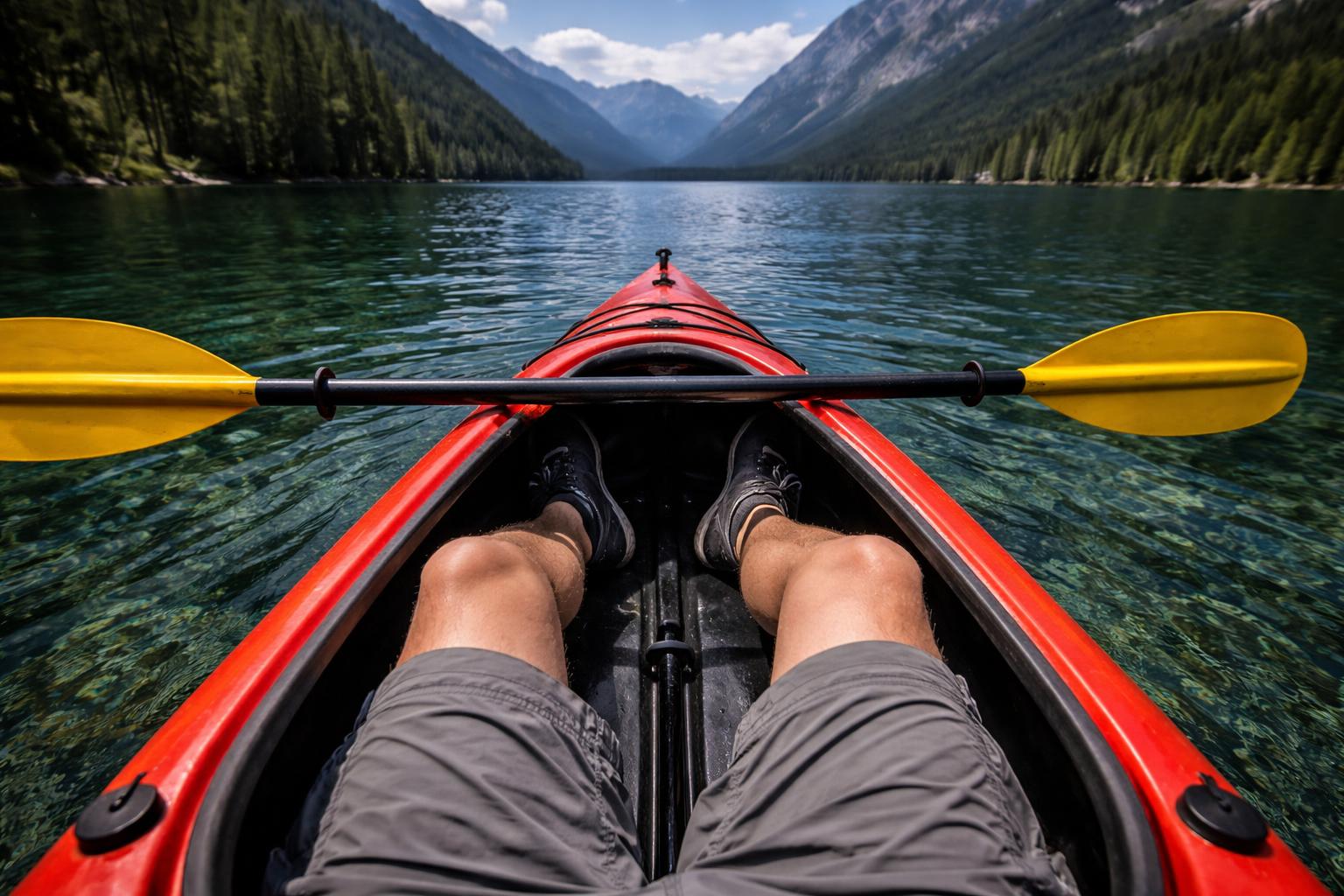
Conversely, a sit-in kayak requires the paddler to slide their legs into a defined cockpit within the hull. This type of kayak encapsulates the lower body, offering a more sheltered and integrated feel. From my years of kayaking, I’ve found sit-in kayaks, particularly recreational sit-inside models, to be excellent for touring and longer excursions where protection from the elements is desirable. The enclosed cockpit contributes significantly to keeping the paddler drier and warmer.
Key Features of Each Type
Sit-on-top kayaks are characterized by their open deck, often wide hull for enhanced stability, and self-bailing scupper holes. They typically feature an elevated seating position. Sit-in kayaks, on the other hand, boast an enclosed cockpit, a lower center of gravity for improved paddling efficiency, and sometimes a narrower hull design for speed. Many sit-in kayaks also include sealed hatches for dry storage.
Quick Comparison of Sit-On-Top vs Sit-In Kayaks
When directly comparing a sit-on-top vs sit-in kayak, several key differences immediately stand out. A sit-on-top kayak generally provides superior initial stability, making it easier for a beginner to feel confident on the water. However, sit-in kayaks often excel in secondary stability once mastered. The open deck of a sit-on-top, while convenient, exposes the paddler more to weather elements, whereas the sit-inside kayak offers greater protection from wind and cold water, which is a significant factor in colder climates.
Stability
In my extensive experience, the stability difference between sit-on-top and sit-inside kayak designs is often misunderstood. A sit-on-top kayak typically offers superior initial stability due to its wider hull and higher center of gravity, making it feel very secure, especially for a novice paddler or a kayak angler casting lines. Conversely, while a sit-in kayak might feel a bit tippy initially, it generally possesses better secondary stability, allowing experienced paddlers to lean into turns and handle rougher waters with greater confidence, preventing an accidental capsize.
Storage Capacity
Storage on a kayak is crucial for any paddler, and the designs vary significantly. Sit-on-top kayaks often feature generous deck space with bungee cords for securing gear, as well as sometimes open-well storage or internal hatches, making them ideal for fishing kayaks or recreational use where quick access is desired. Sit-in kayaks, particularly touring or sea kayak models, typically offer enclosed, watertight hatches that protect gear from the elements, which is invaluable for multi-day trips or when carrying sensitive equipment.
Weight Capacity
The weight capacity of a kayak is a critical factor, directly impacting safety and performance. Sit-on-top kayaks, especially those designed for kayak fishing, frequently boast higher weight capacities to accommodate gear, coolers, and the paddler themselves, often featuring robust hull designs. Sit-in kayaks, while varying widely by type, generally have sufficient capacity for the paddler and essential gear, but multi-day expeditions in a sea kayak will require careful packing to stay within safe limits.
Price Range
The price range for kayaks can fluctuate dramatically based on type, materials, and features. Generally, basic recreational sit-on-top kayaks tend to be more affordable, making them an accessible entry point for new paddlers. However, specialized fishing kayaks or high-performance sit-on-tops can rival the cost of mid-range sit-in kayaks. Advanced touring sit-in kayaks, particularly those constructed from premium materials like composite, represent the higher end of the market due to their performance and durability.
Weather Exposure
Weather exposure is a primary differentiator when choosing between a sit-on-top and a sit-in kayak. A sit-on-top kayak offers an open deck, leaving the paddler fully exposed to sun, wind, and splash, which is fantastic for warm weather paddling but less so for colder conditions. A sit-in kayak, with its enclosed cockpit, provides significant protection from the elements, keeping the paddler drier and warmer, making it the preferred choice for cooler climates or extended trips where weather can change quickly.
7 Shocking Differences: The Real Deal
1. Sit-Ins Can Trap Water And It’s Heavier Than You Think
While sit-on-top kayaks self-bail through scupper holes, a capsized sit-in kayak without a skirt can fill its entire cockpit with water. A swamped cockpit can add over 100+ lbs of dead weight, making on-water recovery exhausting even for strong swimmers.
2. Re-Entry Difficulty Isn’t Just Inconvenient It’s a Safety Risk
Climbing back onto a sit-on-top takes seconds. Re-entering a sit-in kayak after a capsize often requires a paddle float, specific body mechanics, and practice without it, you could be stuck treading water far from shore.
3. “More Stable” Doesn’t Mean “Safer” in Rough Water
Sit-on-tops feel rock-solid on calm water due to high initial stability, but that same wide, flat hull makes them less predictable in waves and chop where sit-in kayaks’ superior secondary stability actually performs better.
4. Sealed Hatches Aren’t Just for Storage They Affect Buoyancy
Sit-in kayaks’ watertight bulkheads do double duty: they keep gear dry AND act as flotation chambers if the kayak swamps, helping it stay afloat. Most sit-on-tops rely on foam or air chambers instead, which isn’t always standard.
5. The Open Deck That Keeps You Cool Can Also Cause Hypothermia Faster
Sit-on-tops constantly expose you to water spray and wind, which sounds minor until you’re in 55°F water on a breezy day. Wet skin loses heat far faster than dry skin, making sit-on-tops riskier in cold conditions than most beginners realize.
6. Price Doesn’t Always Reflect Performance
A budget sit-on-top can outperform a budget sit-in kayak for stability and ease of use but a budget sit-in kayak often underperforms compared to a budget sit-on-top for tracking and speed. Don’t assume “more expensive” means “better fit for you.”
7. Your Skill Level Can Make One Type Genuinely Dangerous
A beginner in a high-performance sit-in touring kayak may struggle just to stay upright, while an advanced paddler in a basic sit-on-top may find it sluggish and limiting in rough conditions. The “best” kayak type is skill-dependent, not just preference-dependent.
Which One Is Right Kayak For You?
Choosing for Fishing and Angling
For the avid angler, choosing the right kayak is paramount to a successful day on the water, and in my extensive experience, sit-on-top kayaks often reign supreme for kayak fishing. Their inherent stability, especially the wider hull designs, provides a solid platform for casting, standing, and reeling in fish without the constant worry of a capsize. The open deck design of sit-on-top kayaks also allows for easy access to gear, tackle boxes, and coolers, making them the preferred choice for many a kayak angler.
Touring with a Sit-Inside Kayak
When it comes to touring, especially on longer journeys or in varied conditions, a sit-in kayak is, without a doubt, the superior choice. The enclosed cockpit of a sit-in kayak offers exceptional protection from wind, spray, and cold water, keeping the paddler drier and more comfortable over extended periods. Furthermore, the narrower hull and lower seating position of many sit-in kayaks contribute to greater paddling efficiency and speed, allowing you to cover significant distances with less effort.
Recreational Lake Paddling with Sit-On kayak
For casual recreational lake paddling, particularly for beginners or families, a sit-on-top kayak truly shines. Their superior initial stability provides a sense of security, making it easier to enjoy the scenery without feeling wobbly. The open deck allows for effortless entry and exit, and the self-bailing scupper holes mean you don’t have to worry about accumulating water in the cockpit. These kayaks offer a relaxed and forgiving experience for those simply looking to enjoy a peaceful day on the water.
Top Picks: Recommended Sit-On-Top vs Sit-In Kayaks
If you’re ready to buy, here are reliable, widely available options on Amazon.com for each type and use case:
Lifetime Tamarack 100 (Sit-On-Top)
A budget-friendly, lightweight sit-on-top ideal for beginners paddling calm lakes and slow-moving rivers. Easy to transport and forgiving for first-timers learning to balance and paddle.
Vibe Kayaks Sea Ghost 130 (Sit-On-Top)
Purpose-built for anglers, with rod holders, a stable wide hull for casting and standing, and ample deck storage for tackle, coolers, and fishing gear.
Sun Dolphin Aruba 10 (Sit-In)
A comfortable, stable recreational sit-in kayak with a sealed storage hatch — great for casual lake paddling, families, and paddlers who want more protection from splash and wind.
Perception Conduit 13 (Sit-In)
A longer touring-style sit-in kayak that tracks well over distance, with dry storage for multi-day trips and better performance in cooler weather or choppier water.


Practical Tips for Kayaking Safety
Self-Rescue Techniques
Mastering self-rescue techniques is critical for any kayaker, but it becomes especially vital for those paddling a sit-in kayak. Unlike a sit-on-top where you can easily climb back on, re-entering a swamped sit-in often requires a paddle float and specific maneuvers to empty the cockpit and get back inside. Practicing these capsize recovery skills in warm, shallow water before venturing out is something I always recommend; it builds confidence and can be a lifesaver.
Dressing for Immersion
One of the most crucial safety considerations, often overlooked, is dressing for immersion, not just the air temperature. Regardless of whether you’re in a sit-on-top or a sit-in kayak, there’s always a risk of ending up in the water. In colder climates or during cooler seasons, wearing a wetsuit or drysuit is non-negotiable. Even in warmer waters, appropriate layers and a well-fitted personal flotation device (PFD) are essential to prevent hypothermia and aid in self-rescue.
Capsizing Risks to Consider
While modern kayaks offer good stability, the risk of capsize is ever-present, and understanding these risks for your specific type of kayak is important. Sit-on-tops, with their wider hulls, generally offer high initial stability, making them less prone to accidental flips in calm conditions. However, sit-in kayaks, especially narrower touring models, may feel less stable initially. Knowing your kayak’s limits and understanding how different water conditions can affect stability is paramount to a safe and enjoyable kayaking experience.
Verdict: Making Your Choice
Summary of Key Differences
Having spent countless hours on both sit-on-top and sit-in kayaks, the key differences truly boil down to exposure, stability, and intended use. Sit-on-tops excel in initial stability, ease of re-entry, and offer an open deck perfect for warm weather or kayak fishing, though they expose the paddler to the elements. Sit-in kayaks, conversely, provide superior protection from weather, enhanced efficiency for touring, and better secondary stability, though they demand more advanced self-rescue skills after a capsize. Understanding these fundamental distinctions is crucial for selecting the right kayak.
Recommendations Based on Needs
My recommendation for choosing the perfect kayak always hinges on a paddler’s specific needs and local conditions, whether they prefer a sit-on-top or sit-inside model. If you’re a beginner, plan to fish, or prioritize ease of re-entry in warm waters, a sit-on-top kayak is likely your best bet. However, if you’re looking to cover long distances, paddle in cooler climates, desire more efficiency, or tackle rougher waters, then a sit-in kayak, perhaps a touring or sea kayak, will serve you far better, offering protection and performance.
FAQs: Common Queries Answered
Q1: Which is safer for a beginner, a sit-on-top or sit-in kayak?
A: Sit-on-top kayaks are generally considered safer for beginners. They are easier to get on and off, and if you flip over, you don’t get trapped or have to perform a complex rescue you just climb back on.
Q2: Do sit-on-top kayaks sink?
A: No. They are built with a hollow, sealed hull and feature scupper holes that automatically drain any water that splashes onto the deck, making them virtually unsinkable.
Q3: Will I get wetter in a sit-on-top or a sit-in kayak?
A: You will get wetter on a sit-on-top kayak because you are completely exposed to drips, waves, and puddle water coming through the drainage holes. Sit-in kayaks keep your lower body shielded.
Q4: Which type of kayak is more stable?
A: Sit-on-top kayaks typically have higher initial stability (they feel rock-solid on flat water because they are wider). Sit-in kayaks have better secondary stability, meaning they handle rough, choppy waves without tipping over as easily.
Q5: Can you use a sit-on-top kayak in cold weather?
A: It’s not ideal. Because you are exposed to the elements and water splashes, you will get cold very quickly. Sit-in kayaks (especially when paired with a spray skirt) trap your body heat and keep you dry, making them much better for cold water.
Q6: Why do fishermen prefer sit-on-top kayaks?
A: Anglers love sit-on-tops because they offer incredible freedom of movement, plenty of open deck space for gear crates, and the high stability required to stand up while casting.
Q7: Are sit-in kayaks faster than sit-on-top kayaks?
A: Yes, generally. Sit-in kayaks have a lower center of gravity, allowing them to be narrower and more streamlined. This makes them faster and much easier to paddle over long distances.
Q8: What is a spray skirt, and can I use it on a sit-on-top?
A: A spray skirt is a waterproof fabric cover that seals the paddler into the cockpit of a sit-in kayak to keep water out. It cannot be used on a sit-on-top kayak because there is no cockpit rim to attach it to.
Q9: Which is easier to transport and store?
A: Sit-in kayaks are often lighter because they use less plastic in construction, making them easier to lift onto a car roof. However, sit-on-tops are incredibly durable and can be dragged around without worrying about damaging a cockpit.
Q10: Can I take a sit-in kayak on the ocean?
A: Yes, but it should be a dedicated touring or sea kayak with sealed bulkheads. Recreational sit-in kayaks (with large, open cockpits) can easily swamp with ocean waves and become very difficult to drain.
Conclusion: Ready to Hit the Water? Here is Your Next Step
Choosing between a sit-on-top and a sit-in kayak ultimately comes down to where you want to paddle and how you want to feel while doing it.
- If you want a casual, worry-free summer day of soaking up the sun, splashing around, or casting a fishing line, a sit-on-top kayak is your perfect match.
- If you plan to paddle into the cooler autumn months, want to cover long distances fast, or crave the thrill of touring choppy coastal waters, a sit-in kayak will serve you best.
Nothing beats first-hand experience. Before you buy, hit up a local rental outfit or a community demo day to test-drive both styles. Find your perfect fit, grab a paddle, and get out there your next great outdoor adventure is waiting on the water!


4 thoughts on “7 Shocking Differences: Sit-On-Top vs Sit-In Kayaks”