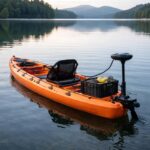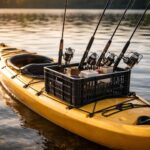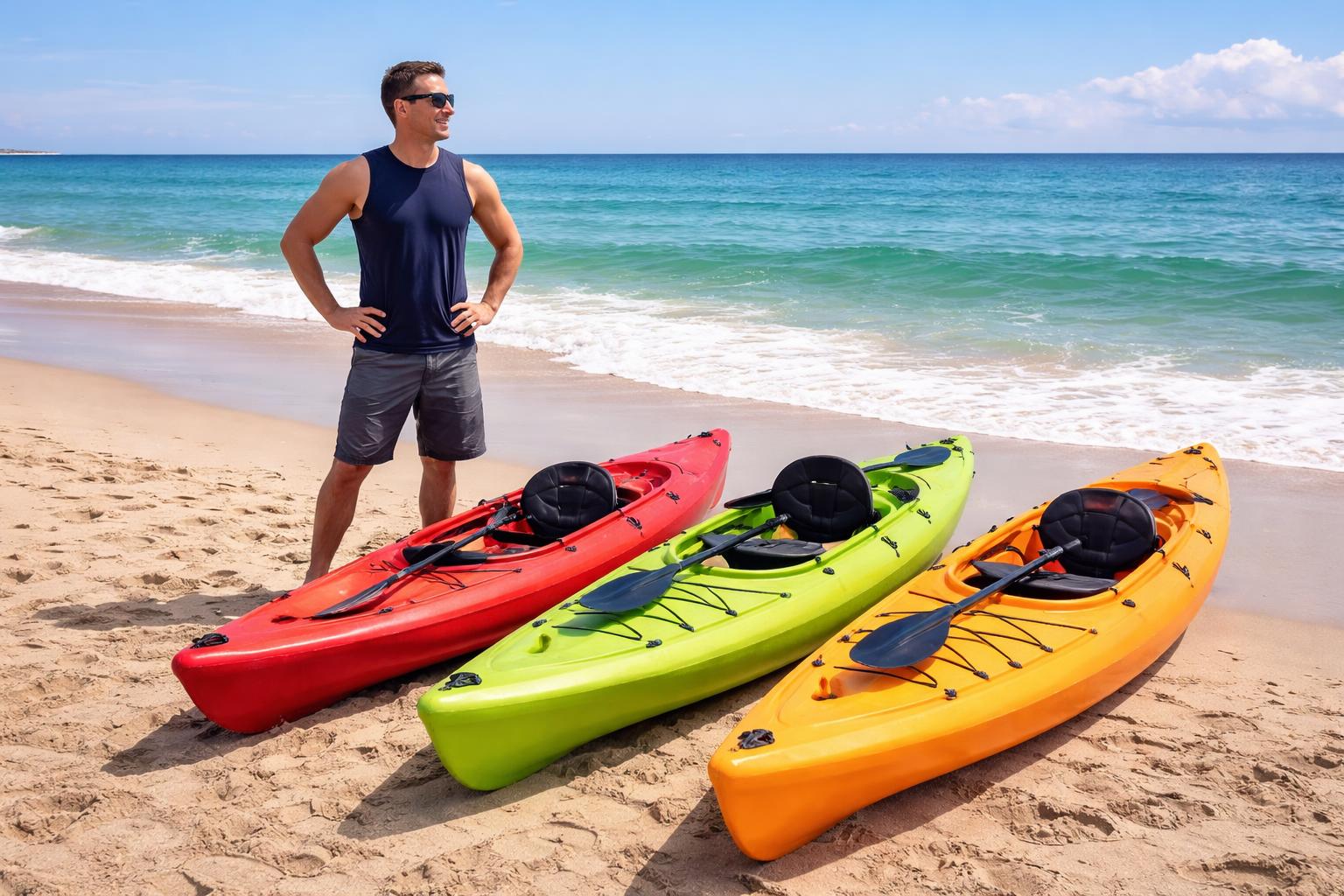
One of the most common mistakes I see beginners make, myself included when I bought my first kayak, is choosing a kayak size that simply doesn’t match their intended use or body type. It’s easy to get swayed by a flashy design or a great deal, only to find yourself with a boat that’s either a struggle to paddle, unstable, or just plain uncomfortable.
This guide will help you understand the crucial factors so you can confidently answer “What size kayak do I need?” and make an an informed decision, whether you’re renting for a day trip or looking to buy a kayak that will last for years.
At-a-Glance Kayak Sizing Guide
| Paddler Height | Paddler Weight | Recommended Kayak Length | Recommended Width | Best For |
|---|---|---|---|---|
| Under 5’5″ | Under 150 lbs | 9–10 ft | 28–30 in | Beginners, calm lakes, short trips |
| 5’5″–6’0″ | 150–220 lbs | 10–12 ft | 27–30 in | Recreation, rivers, fishing |
| Over 6’0″ | 220+ lbs | 12–14 ft | 28–32 in | Touring, camping, larger paddlers |
| Tandem Users | Combined weight under capacity | 13–17 ft | 32–36 in | Two paddlers, family outings |
Quick Tip: Always choose a kayak with a weight capacity at least 25–30% higher than your combined body weight and gear for the best performance and stability.
How to Choose the Right Kayak Size in 60 Seconds
Use this simple guide if you’re unsure what size kayak you need:
Choose a 9–10 ft kayak if you:
- Are a beginner
- Paddle calm lakes or ponds
- Want easy transport and storage
- Weigh under 180 lbs
- Prefer maneuverability over speed
Choose a 10–12 ft kayak if you:
- Want an all-around recreational kayak
- Fish from your kayak
- Paddle rivers or lakes
- Carry moderate gear
- Need a balance of speed and stability
Choose a 12–14 ft kayak if you:
- Paddle long distances
- Explore open water
- Carry camping gear
- Are over 6 feet tall
- Want better tracking and efficiency
Choose a 13–17 ft tandem kayak if you:
- Paddle with another person
- Bring children or pets
- Carry lots of gear
- Need higher weight capacity
Understanding Kayak Size
Choosing the right kayak size is paramount for an enjoyable and safe paddling experience. It’s not just about fitting into the cockpit; it’s about optimizing performance, stability, and maneuverability for your specific needs and the types of water you’ll be exploring. A properly sized kayak can make a world of difference, transforming a challenging outing into a seamless adventure, while an ill-fitting one can quickly lead to fatigue and frustration, regardless of your skill level as a paddler.
Why Kayak Length Matters
Kayak length significantly impacts how a kayak performs on the water. Generally, a longer kayak tracks straighter and maintains speed more efficiently. Conversely, shorter kayaks are much more maneuverable.
| Kayak Length | Characteristics | Ideal Use |
| Longer (e.g., touring or sea kayaks, often exceeding 16 feet) | Tracks straighter, maintains speed efficiently, requires fewer paddle strokes, reduces fatigue on extended trips | Open water, longer distances |
| Shorter (often under 10 feet) | Much more maneuverable, excels in tight spaces, might struggle to maintain a straight line in wind and waves | Winding rivers, whitewater kayaking |
Quick Pros & Cons of Different Kayak Sizes
| Kayak Size | Pros | Cons |
|---|---|---|
| Short (9–10 ft) | Easy to maneuver, lightweight, simple to transport and store | Slower, doesn’t track as well over long distances |
| Medium (10–12 ft) | Great balance of speed, stability, and versatility | Slightly heavier than compact kayaks |
| Long (12–14+ ft) | Faster, tracks straighter, ideal for touring and open water | Harder to turn, transport, and store |
Bottom Line: If you’re buying your first kayak, a 10–12 ft recreational kayak is often the best all-around option because it balances stability, speed, and ease of use.
The Importance of Kayak Width
The width of a kayak is a critical factor influencing its primary stability, which is how stable the kayak feels when it’s flat on the water. Here’s how different widths affect performance:
| Kayak Width | Characteristics |
|---|---|
| Wider Kayak (e.g., many sit-on-top kayaks) | Provides greater initial stability, feeling very secure and forgiving. Ideal for beginners or those prioritizing a steady platform for activities like fishing. Often comes at the cost of speed and efficiency due to greater drag. |
| Narrower Kayak (e.g., advanced touring or sea kayaks) | Offers less initial stability. Provides superior secondary stability (stable when edged or tilted). Allows for a more efficient glide through the water, demanding less effort. |
Weight Capacity: What You Need to Know
Understanding a kayak’s weight capacity is crucial not just for safety, but also for optimal performance. Every kayak has a specified weight limit, which is the maximum total weight it can safely support, including the paddler, gear, and any additional passengers like a dog. Exceeding this weight limit can compromise the kayak’s buoyancy, stability, and maneuverability, potentially causing it to sit too low in the water, become sluggish, or even capsize more easily.
It’s generally advisable to choose a kayak with a weight capacity that provides a comfortable buffer above your anticipated total load, ensuring the kayak performs as intended and maintains its design characteristics, especially when navigating choppier waters or carrying essential equipment for extended excursions.
Safety Tips When Choosing a Kayak Size
Choosing the correct kayak size isn’t just about comfort it’s also an important part of staying safe on the water. Keep these safety tips in mind before every trip:
- Never exceed the kayak’s weight capacity. Overloading reduces stability and increases the risk of capsizing.
- Wear a properly fitted personal flotation device (PFD) every time you paddle, regardless of your experience level.
- Balance your gear evenly to keep the kayak stable and improve handling.
- Choose a kayak suited to your paddling environment. Recreational kayaks work well on calm lakes, while touring kayaks are better for longer distances and open water.
- Check weather and water conditions before launching, especially if you’re paddling on rivers or coastal waters.
- Practice entering, exiting, and turning your kayak in calm water before attempting more challenging conditions.
Safety Reminder: A kayak that fits your body and intended use is easier to control, more comfortable to paddle, and significantly safer than one that’s too small or overloaded.
Choosing the Right Kayak for Your Needs
Choosing the right kayak ultimately boils down to aligning the kayak’s design characteristics with your personal paddling style, intended use, and physical attributes. It’s not a one-size-fits-all equation, as the “best” kayak size for one paddler on a calm lake will be entirely different for another navigating coastal waters or whitewater rapids.
Factors such as the primary waterways you’ll frequent, whether you’ll be solo or tandem kayaking, and even how much gear you plan to carry on a day trip or multi-day expedition all play a crucial role. Taking the time to consider these elements will ensure you choose a kayak that genuinely enhances your experience on the water.
Types of Kayaks and Their Sizes
Different types of kayaks are engineered for distinct purposes, and their sizes reflect these specialized designs. Understanding these fundamental differences is key to choosing the right kayak size for your adventures.
| Kayak Type | Typical Length | Key Features / Purpose |
| Recreational (e.g., Sit-on-top) | 9 to 12 feet | Wider hull for stability, ease of use; ideal for calm lakes and slow rivers. |
| Touring and Sea | 12 to 17 feet | Narrower for tracking and speed; designed for longer distances and challenging conditions. |
| Whitewater | 6 to 9 feet | Short and highly maneuverable; built for navigating rapids with agility. |
Quick Comparison of Kayak Types
| Kayak Type | Best For | Typical Length | Stability | Speed |
|---|---|---|---|---|
| Recreational | Beginners, lakes | 9–12 ft | ⭐⭐⭐⭐⭐ | ⭐⭐⭐ |
| Fishing | Anglers | 10–13 ft | ⭐⭐⭐⭐⭐ | ⭐⭐⭐ |
| Touring | Long trips | 12–17 ft | ⭐⭐⭐⭐ | ⭐⭐⭐⭐⭐ |
| Sea Kayak | Ocean paddling | 14–18 ft | ⭐⭐⭐⭐ | ⭐⭐⭐⭐⭐ |
| Whitewater | Rapids | 6–9 ft | ⭐⭐⭐ | ⭐⭐ |
| Inflatable | Travel | 9–12 ft | ⭐⭐⭐⭐ | ⭐⭐⭐ |
Kayak Size by Height and Weight
Your personal height and weight are critical factors in determining the appropriate kayak size you need, impacting both comfort and performance. A paddler who is 5’2” will require a different cockpit size and overall kayak length than someone significantly taller to achieve an efficient paddle stroke and maintain proper balance. Kayak manufacturers design their boats with specific paddler ranges in mind, influencing the cockpit dimensions, seating position, and overall volume.
While a longer kayak generally accommodates taller individuals better, ensuring sufficient legroom, a narrower or shorter kayak might be more suitable for lighter paddlers to prevent the kayak from feeling too large or unwieldy, allowing for better maneuverability and control without excess weight of the kayak hindering progress.
Who Should Buy Each Kayak Size?
🚣 9–10 ft Kayak
Best for you if you:
- Are a beginner learning basic paddling skills
- Paddle calm lakes, ponds, or slow-moving rivers
- Want a lightweight kayak that’s easy to transport
- Have limited garage or storage space
- Prefer maneuverability over speed
Recommended for: Casual recreation, short trips, and first-time kayak owners.
🚣 10–12 ft Kayak
Best for you if you:
- Want one kayak for multiple activities
- Enjoy recreational paddling and occasional fishing
- Paddle lakes, rivers, and sheltered coastal waters
- Need a balance of stability, speed, and tracking
- Carry moderate gear on day trips
Recommended for: Most recreational paddlers and anglers looking for an all-around kayak.
🚣 12–14 ft Kayak
Best for you if you:
- Paddle long distances regularly
- Explore larger lakes, bays, or coastal waters
- Carry camping or touring gear
- Are over 6 feet tall or have longer legs
- Value speed and efficient tracking
Recommended for: Touring enthusiasts, experienced paddlers, and larger adults.
🚣 13–17 ft Tandem Kayak
Best for you if you:
- Paddle with a partner or family member
- Bring children, pets, or extra gear
- Need higher weight capacity
- Enjoy family outings or overnight adventures
Recommended for: Couples, families, and group recreational paddling.
Recommended Kayak Length by Paddler
| Paddler | Recommended Length |
|---|---|
| Kids | 6–8 ft |
| Adults under 5’5″ | 9–10 ft |
| Adults 5’5″–6’0″ | 10–12 ft |
| Adults over 6′ | 12–14 ft |
| Large anglers | 12–13 ft |
| Tandem paddlers | 13–17 ft |
Solo vs. Tandem Kayak Sizing
| Feature | Solo | Tandem |
|---|---|---|
| Seats | 1 | 2 |
| Length | 9–14 ft | 13–17 ft |
| Weight Capacity | 250–400 lbs | 450–700 lbs |
| Maneuverability | Excellent | Moderate |
| Storage | Moderate | Excellent |
| Best For | Individual paddlers | Families and partners |
The decision between a solo and tandem kayak introduces another layer of sizing considerations. A solo kayak is designed for one paddler, with its weight capacity and dimensions optimized for a single individual and their gear for a day trip. Tandem kayaks, built for two paddlers (or sometimes two paddlers and a small child or pet), are inherently longer and wider to accommodate the combined weight and provide two separate cockpits.
These longer boats typically range from 13 to over 17 feet, ensuring adequate space and stability for two people to paddle in unison. When choosing a tandem, it’s essential to consider the combined weight of both paddlers and any equipment to remain well within the kayak’s weight limit, preventing the kayak from sitting too low in the water and compromising performance or safety, especially in wind and waves.
Common Kayak Sizing Mistakes to Avoid
Even experienced paddlers can choose the wrong kayak if they focus only on price or appearance. Avoid these common mistakes to ensure your kayak performs well and keeps you comfortable on the water.
| Mistake | Why It’s a Problem | Better Choice |
|---|---|---|
| Buying the cheapest kayak available | It may not suit your body size or paddling style | Choose based on fit and intended use rather than price alone |
| Ignoring weight capacity | An overloaded kayak becomes slower, less stable, and harder to control | Select a kayak with a weight capacity at least 25–30% above your total load |
| Choosing a kayak that’s too long | Longer kayaks are harder to transport and maneuver in tight spaces | Match the kayak length to your typical paddling environment |
| Picking a kayak that’s too narrow | Narrow kayaks can feel unstable, especially for beginners | New paddlers should prioritize stability with a wider hull |
| Forgetting about gear weight | Coolers, fishing gear, pets, and camping equipment all affect performance | Include every item when calculating your total load |
| Skipping a test paddle | Specifications don’t always reflect real-world comfort | Demo a kayak whenever possible before buying |
Pro Tip: The best kayak isn’t necessarily the biggest or most expensive it’s the one that matches your body, skill level, and the water you’ll paddle most often.
How to Measure and Test Your Kayak Size
Measuring Cockpit and Stability
Accurately measuring the cockpit and assessing stability are critical steps to ensure the kayak you choose fits you properly. For sit-in kayaks, the cockpit dimensions length, width, and depth must comfortably accommodate your hips and legs, allowing for a snug yet not restrictive fit that enables effective bracing and rotation for powerful paddle strokes.
You want to feel connected to the kayak, almost as an extension of your body, for optimal control and maneuverability. Stability, both initial and secondary, can be gauged by gently rocking the kayak side-to-side while on the water. A wider kayak typically offers greater initial stability, appealing to beginners, while a narrower, longer kayak prioritizes secondary stability for advanced kayakers navigating dynamic conditions like ocean kayaking.
Demoing Kayaks: What to Look For
Demoing various types of kayaks on the water is an invaluable step in truly understanding what size kayak do I need, as specifications on paper can only tell you so much. When you’re out there, pay close attention to how the kayak feels beneath you. Does the cockpit size allow for comfortable leg positioning and effective bracing?
How easily does the kayak track straighter lines, and how responsive is its maneuverability in turns? Test different kayak lengths to feel the difference in speed versus agility. Consider a sit-on-top kayak versus a sit-in kayak to assess entry/exit ease and overall comfort. This hands-on experience, perhaps on a day trip at a local lake, will provide clarity far beyond simply reading specs, helping you choose a kayak that truly fits your body and paddling style.
Adjusting for Personal Preferences
While general sizing guidelines provide an excellent starting point, adjusting for your personal preferences is crucial in finding the ideal kayak. For example, some paddlers prioritize extreme stability, even if it means sacrificing some speed, making a wider kayak or a sit-on-top kayak their preferred choice. Others, focused on covering long distances efficiently, might opt for a longer boat like a touring kayak or sea kayak, which tracks straighter and requires less effort to maintain speed.
Your comfort in the cockpit, the ease of your paddle stroke, and even the kayak’s aesthetic appeal play a significant role. Ultimately, the best kayak is one that not only fits your physical dimensions but also aligns perfectly with your individual paddling goals and comfort level, ensuring every day trip is a joy.
Frequently Asked Questions
Is a 10-Foot Kayak Enough?
Yes, a 10-foot kayak is sufficient for most beginners and recreational paddlers. It’s ideal for calm lakes, slow-moving rivers, and short trips because it’s easy to maneuver, transport, and store. However, if you plan to paddle long distances, carry heavy gear, or explore open water, a 12-foot or longer kayak may provide better speed and tracking.
Can a Tall Person Use a Short Kayak?
A tall person can use a short kayak if the cockpit provides enough legroom and the kayak’s weight capacity supports their total weight. However, taller paddlers often feel more comfortable in kayaks that are at least 12 feet long because they offer better leg space, improved balance, and more efficient paddling.
What Size Kayak Is Best for Beginners?
For most beginners, a recreational kayak between 10 and 12 feet long and 28 to 30 inches wide offers the best combination of stability, comfort, and maneuverability. This size works well on calm lakes, ponds, and slow-moving rivers while remaining easy to transport and control.
What If I’m Between Two Kayak Sizes?
If you’re between two kayak sizes, choose based on how you’ll use it. Select the shorter kayak if you prioritize maneuverability and easy transport. Choose the longer kayak if you plan to paddle longer distances, carry extra gear, or want better speed and tracking on open water.
Does Kayak Width Matter More Than Length?
Both dimensions are important, but they affect different aspects of performance. Width primarily influences stability and comfort, while length affects speed, tracking, and maneuverability. Beginners often benefit more from a wider kayak, whereas experienced paddlers may prefer a longer, narrower design for improved efficiency.
What Size Kayak Is Best for Fishing?
Most anglers prefer fishing kayaks between 10 and 13 feet long. These kayaks provide a stable platform for casting, enough storage for fishing gear, and good tracking on lakes and rivers. Choose a model with a weight capacity that comfortably supports you and all of your equipment.
How Much Extra Weight Capacity Should I Allow?
A good rule is to choose a kayak with a weight capacity that is 25–30% higher than your combined weight, including gear, coolers, pets, or other cargo. This extra capacity helps maintain stability, improves paddling performance, and keeps the kayak from sitting too low in the water.
Are Inflatable Kayaks Sized Differently?
Inflatable kayaks often have similar length recommendations as hard-shell kayaks, but they are usually wider to improve stability. Modern inflatable models can perform very well for recreational paddling, although they may not track or glide as efficiently as rigid touring kayaks over long distances.
Should I Buy a Sit-In or Sit-On-Top Kayak?
A sit-in kayak is better for cooler weather, longer trips, and improved paddling efficiency because it protects you from wind and splashing water. A sit-on-top kayak is easier to enter and exit, making it an excellent choice for beginners, fishing, and warm-weather recreation.
Can I Use One Kayak for Lakes, Rivers, and the Ocean?
A versatile recreational or light touring kayak can handle a variety of waterways, but no single kayak is perfect for every environment. If you mainly paddle calm lakes and slow rivers, a 10–12 ft recreational kayak is an excellent all-around choice. For coastal waters or long-distance touring, a dedicated sea kayak offers better performance and safety.
Kayak Size Buying Checklist
Before purchasing your kayak, make sure you’ve considered the following:
| ✔ Checklist | Why It Matters |
|---|---|
| Know your height | Ensures adequate cockpit space and legroom |
| Calculate your total weight | Includes you, gear, pets, and passengers |
| Check the kayak’s weight capacity | Stay 25–30% below the maximum limit for optimal performance |
| Decide where you’ll paddle | Lakes, rivers, oceans, and whitewater require different kayak sizes |
| Consider transport and storage | Longer kayaks require more vehicle and garage space |
| Choose the right width | Wider kayaks provide more stability, while narrower kayaks are faster |
| Think about future needs | Fishing, camping, or touring may require a larger kayak |
| Test the kayak if possible | Comfort and handling vary between models |
Pro Tip
Don’t buy the longest kayak simply because it looks more capable. The best kayak is the one that matches your body size, skill level, paddling environment, and intended use. A properly sized kayak will be easier to paddle, more comfortable, and safer on the water.
Trusted Resources for Choosing the Right Kayak
If you’re buying your first kayak or want additional guidance, these organizations provide reliable information on kayak safety, paddling techniques, and equipment selection:
- American Canoe Association (ACA) – Offers educational resources on kayak skills, safety, and paddling best practices.
- U.S. Coast Guard Boating Safety – Provides guidance on life jacket requirements, boating regulations, and safe paddling practices.
- National Safe Boating Council – Shares boating safety tips, seasonal campaigns, and educational materials for recreational paddlers.
- Kayak Manufacturer Sizing Charts – Check the official sizing recommendations from the kayak brand you’re considering, as cockpit dimensions and weight capacities vary between models.
Expert Tip: Manufacturer sizing charts should always be used alongside your height, weight, intended paddling environment, and total gear load to choose the best-fitting kayak.
Bottom-Line Recommendation
If you’re still wondering “What size kayak do I need?”, here’s the simplest answer:
- Choose a 9–10 ft kayak if you’re a beginner paddling calm lakes or rivers and want easy transport and storage.
- Choose a 10–12 ft kayak if you want the best all-around size for recreation, fishing, and weekend adventures.
- Choose a 12–14 ft kayak if you prioritize speed, long-distance paddling, or carry extra camping gear.
- Choose a 13–17 ft tandem kayak if you regularly paddle with another person, children, or pets.
No matter which size you choose, always match the kayak to your height, body weight, total gear load, and primary paddling environment. A kayak with a weight capacity at least 25–30% above your expected load will provide better stability, efficiency, and overall performance.
Final Tip: If you have the opportunity, demo several kayak sizes before buying. Even two kayaks with similar dimensions can feel very different on the water, and testing them yourself is the best way to find the perfect fit.
Conclusion and Summary
Key Takeaways on Choosing a Kayak
When asking “what size kayak do I need?”, remember that kayak length, kayak width, and weight capacity are your primary guides. A longer kayak generally offers more speed and better tracking for open water and distance, while a shorter, wider kayak prioritizes maneuverability and initial stability, ideal for winding rivers or casual paddling.
Always consider the total weight of the paddler, gear, and any companions to ensure you stay well within the kayak’s weight limit, preventing performance issues and safety concerns. Finally, don’t forget the importance of cockpit size for comfort and control, especially in a sit-in kayak, ensuring a snug yet comfortable fit for an efficient paddle stroke.
Final Recommendations for Sizing
To confidently choose a kayak that fits you best, I always recommend a multi-faceted approach. Start by honestly assessing your primary paddling environment and goals – are you mostly on calm lakes in a recreational kayak, or tackling ocean kayaking in a touring kayak? Use a sizing chart as a general guideline, matching your height and weight to suggested kayak length and width.
Prioritize a kayak with a weight capacity that comfortably exceeds your total anticipated load to maintain performance. Most importantly, if possible, demo different types of kayaks on the water. This hands-on experience will provide invaluable insights into how various sizes feel, helping you select a kayak that maximizes your enjoyment and efficiency for every day trip.